10 Gothic Architecture Ideas to Inspire Your Home’s Design
The Gothic Revival style is a fascinating architectural movement that continues to captivate with its dramatic and mysterious charm. Characterized by pointed arches, ribbed vaults, and intricate stone carvings, Gothic architecture is a perfect blend of medieval grandeur and romantic elegance. From the soaring spires of medieval cathedrals to the intricate stained glass windows of old churches, this style has been a staple of Gothic design for centuries.
As we explore the world of Gothic architecture, we’ll delve into its distinctive features, timeless beauty, and how to incorporate its elements into your own home design to create a truly unique and hauntingly beautiful space.

Gothic by Design: The Dawn of Architectural Draftsmanship
Check Price on AmazonPointed Arches and Ribbed Vaults
Pointed arches and ribbed vaults are defining features of Gothic architecture that add elegance and height to spaces. These design elements not only enhance the aesthetic appeal but also improve structural stability, allowing for larger windows and intricate designs. Incorporating these features into your home can create a breathtaking and timeless atmosphere reminiscent of the grandeur found in historic cathedrals.
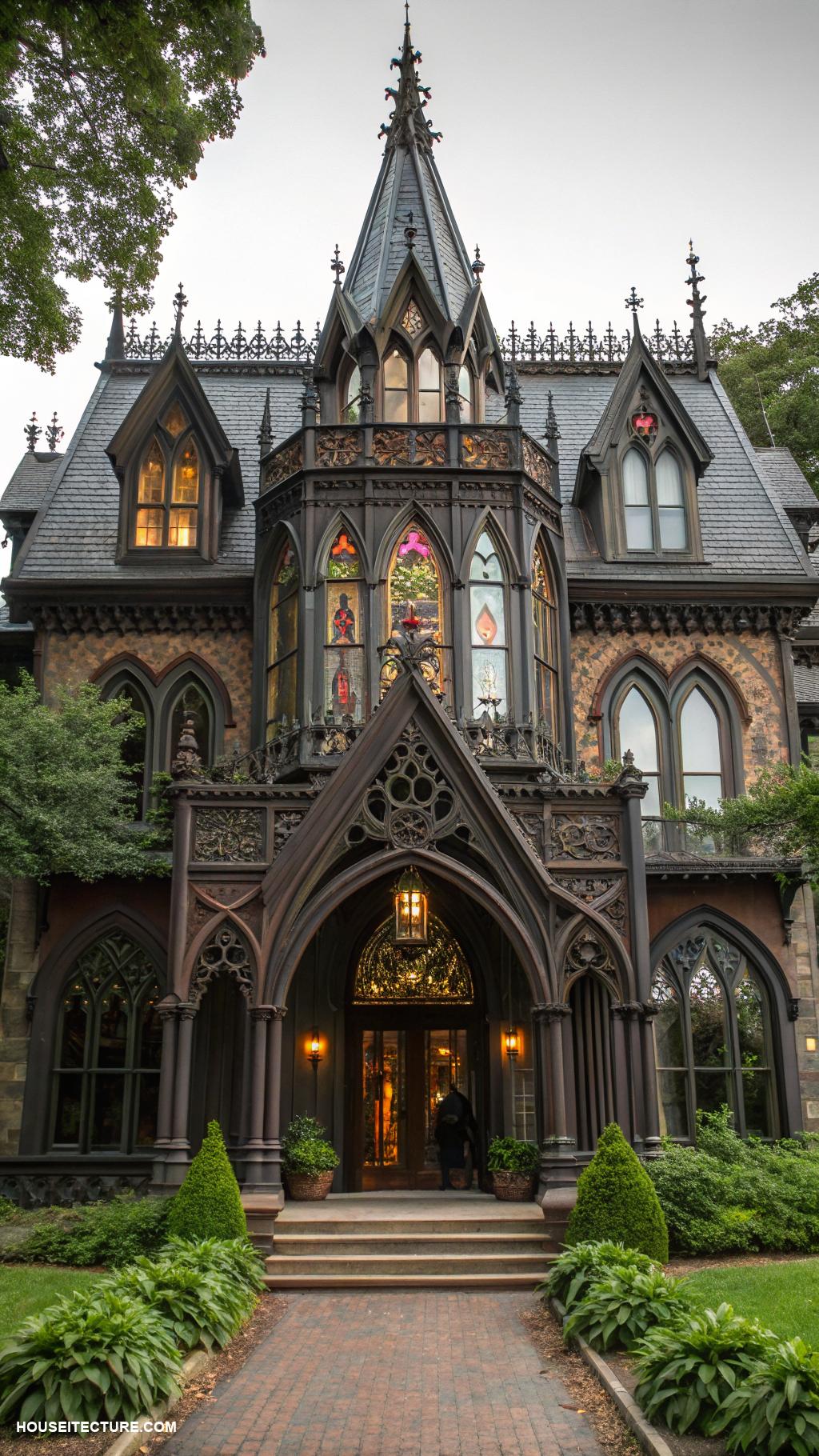
To achieve the look of pointed arches, consider installing arched doorways or windows throughout your home. Use wood or stone to create ribbed vaults in your ceilings by installing beams in a crisscross pattern that simulates the look of a ribbed vault. Finish with decorative moldings to accentuate the arches and add a touch of Gothic charm.
Stained Glass Windows with Intricate Designs
Stained glass windows are a stunning hallmark of Gothic architecture, often featuring intricate designs that tell a story or convey religious themes. These colorful panels not only allow light to filter into a space but also create a mesmerizing effect as the sunlight dances across the interiors. Incorporating stained glass windows into your home can add a touch of elegance and historical charm to any room.
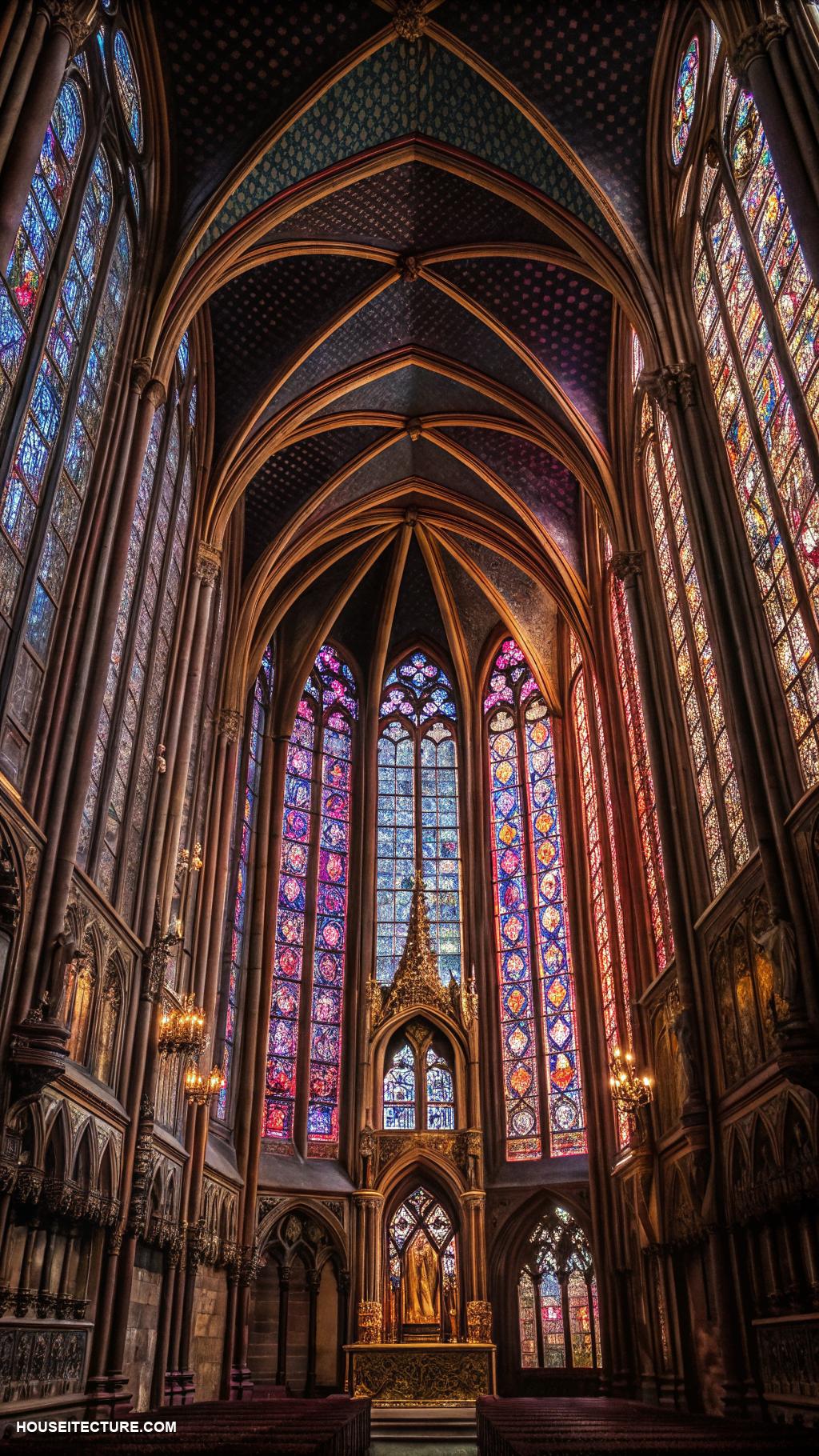
To achieve the look of stained glass windows in your home, consider using contemporary techniques such as decorative window film that mimics the appearance of stained glass. Alternatively, you can hire a skilled artisan to create custom stained glass panels that suit your aesthetic. Ensure proper placement of these windows to maximize natural light and enhance the overall beauty of your space.
Gargoyles as Decorative Water Spouts
Gargoyles are not only functional as water spouts but also serve as striking decorative elements in gothic architecture. These fantastical creatures often feature intricate designs that can enhance the aesthetic of any home. Incorporating gargoyles into your architectural features can add a sense of drama and history to your house’s exterior.
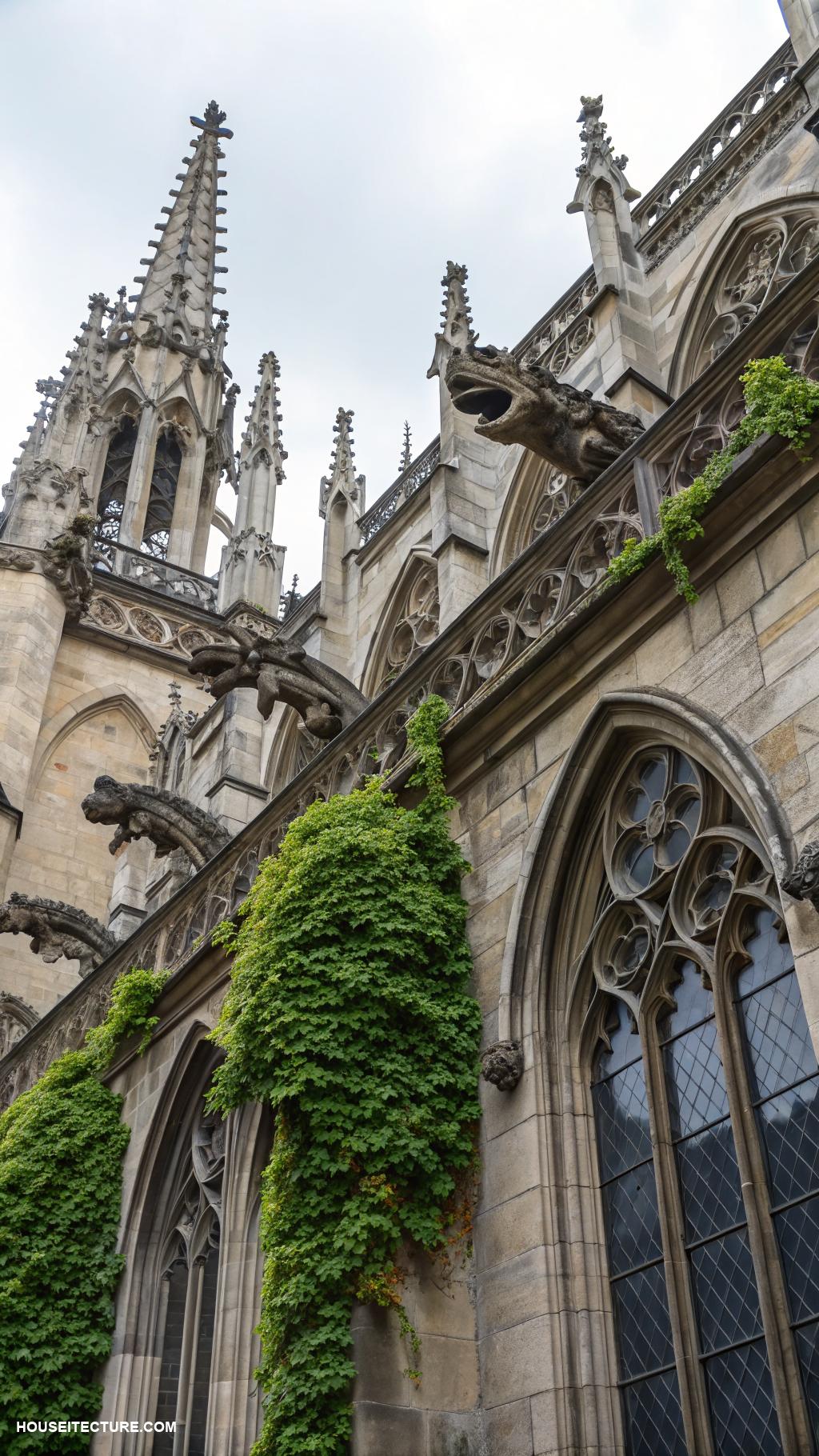
To achieve a gargoyle look in your home, start by choosing a suitable location for your drainage spouts, ideally at roof edges or corners. Select or commission gargoyle sculptures that resonate with your style, ensuring they are made from weather-resistant materials. Finally, install the sculptures in alignment with your home’s drainage systems, ensuring they direct water away while showcasing their beauty.
Flying Buttresses for Structural Support
Flying buttresses are architectural features that provide external support to walls, allowing for higher ceilings and larger windows. Common in Gothic architecture, these structures help distribute the weight of the roof while adding a dramatic aesthetic to the design. Incorporating flying buttresses into your home can create a unique blend of beauty and functionality.
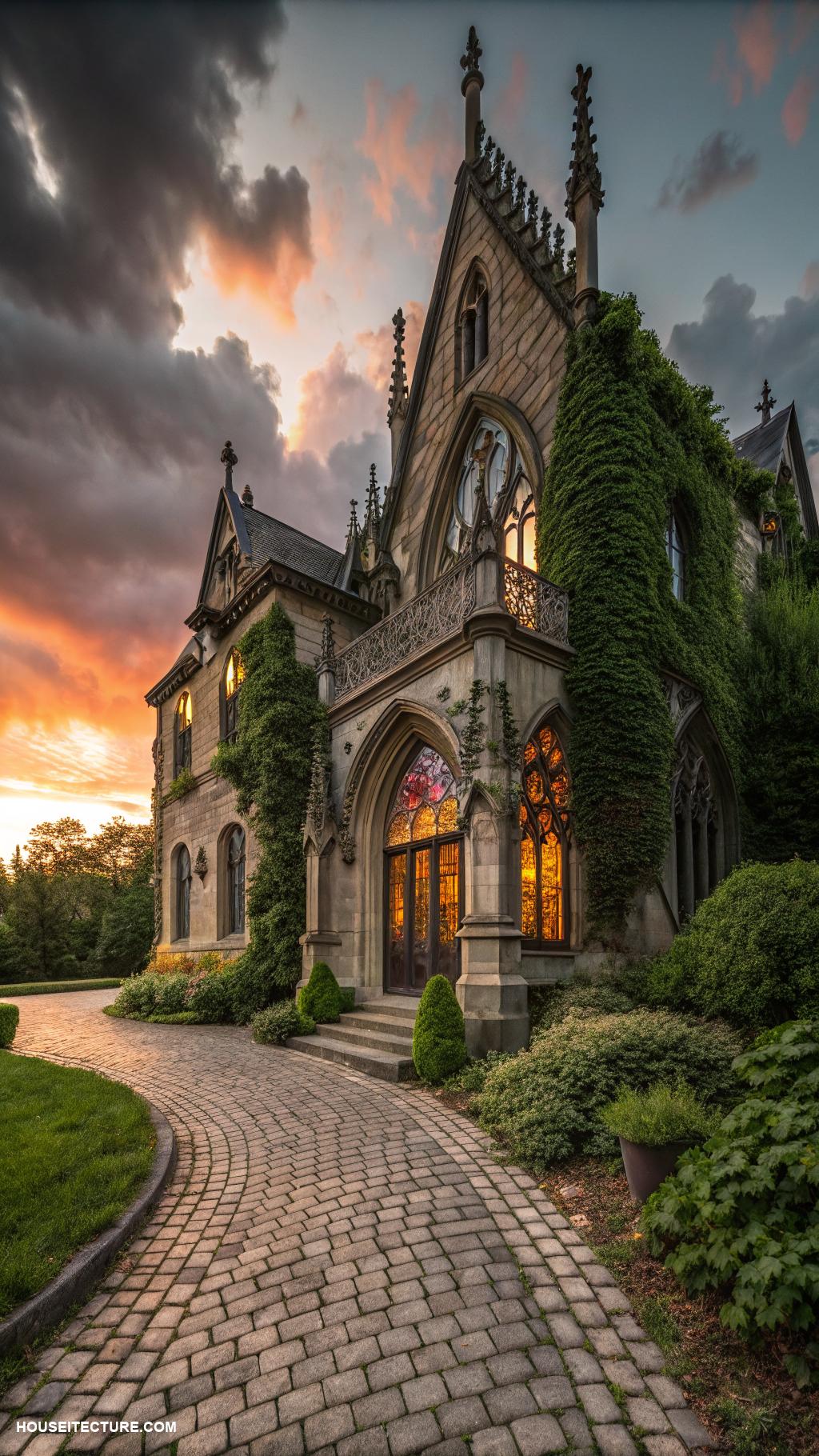
To achieve the look of flying buttresses in your home, start by selecting a wall that you want to accentuate. Use lightweight materials like wood or metal to create the support structure, angling them away from the wall to mimic the traditional design. Paint them in a complementary color to your exterior and consider adding decorative elements like ornamental carvings or lights to enhance their visual appeal.
Tall Spires Reaching Towards the Sky
Tall spires soaring towards the sky are a hallmark of gothic architecture, embodying both elegance and grandeur. These architectural features not only enhance the visual appeal of a house but also create a sense of verticality and dominance in the design. Incorporating spires into your home can transform a standard structure into a stunning piece of art that captures the essence of gothic style.
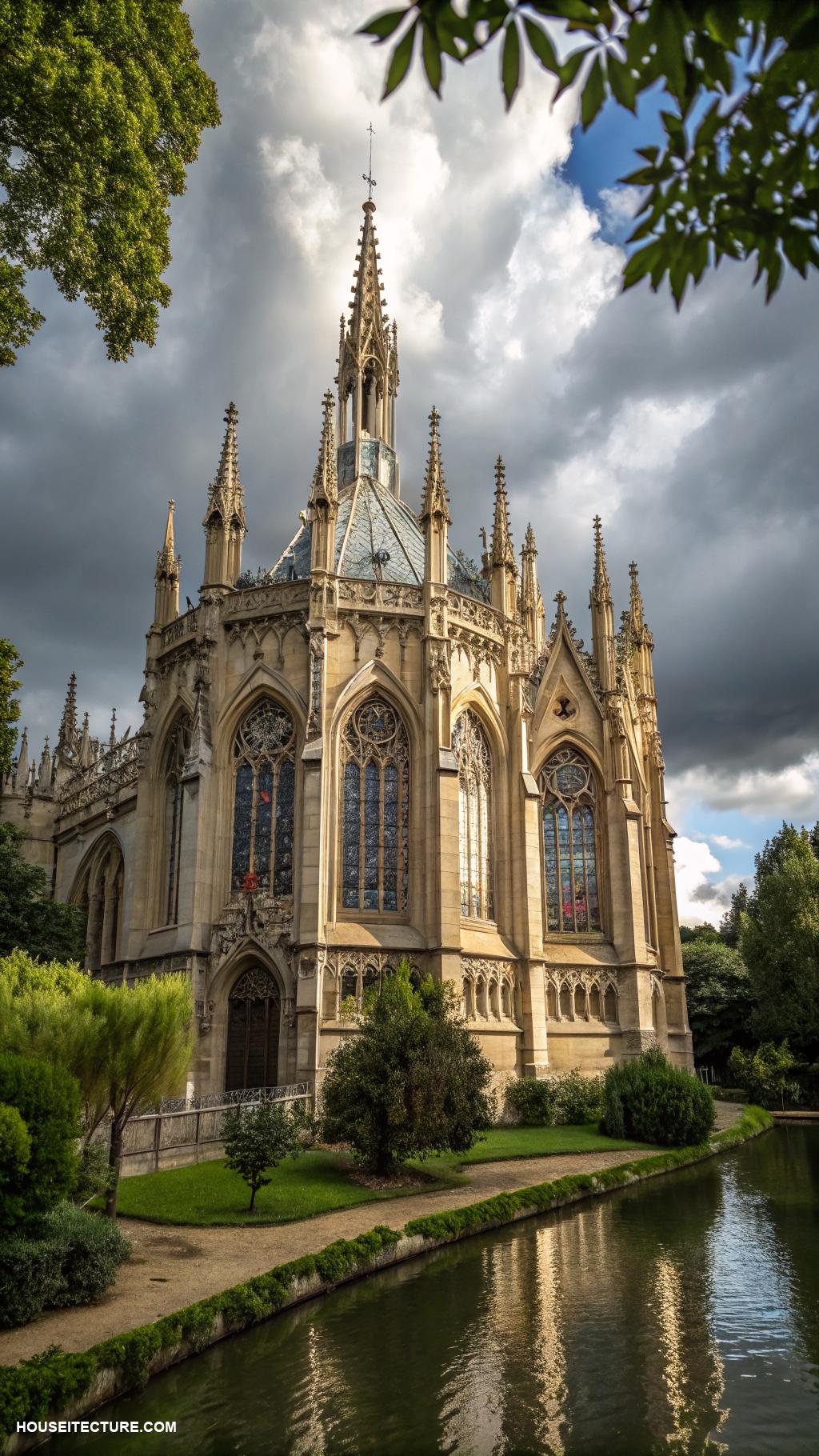
To achieve the gothic spire look in your home, start by selecting a suitable roof design that allows for vertical extension. Opt for pointed roof shapes or steeples that can be crafted from wood or stone. Consider adding decorative elements like finials or elaborate carvings to the tips for an authentic gothic touch.
Dark Wooden Beams and Finishes
Dark wooden beams and finishes are a hallmark of gothic architecture, adding a rich, dramatic flair to any space. These elements evoke a sense of history and grandeur, with their intricate detailing and deep hues creating a powerful focal point. Incorporating dark wood into your home can transform it into a sophisticated and timeless sanctuary.
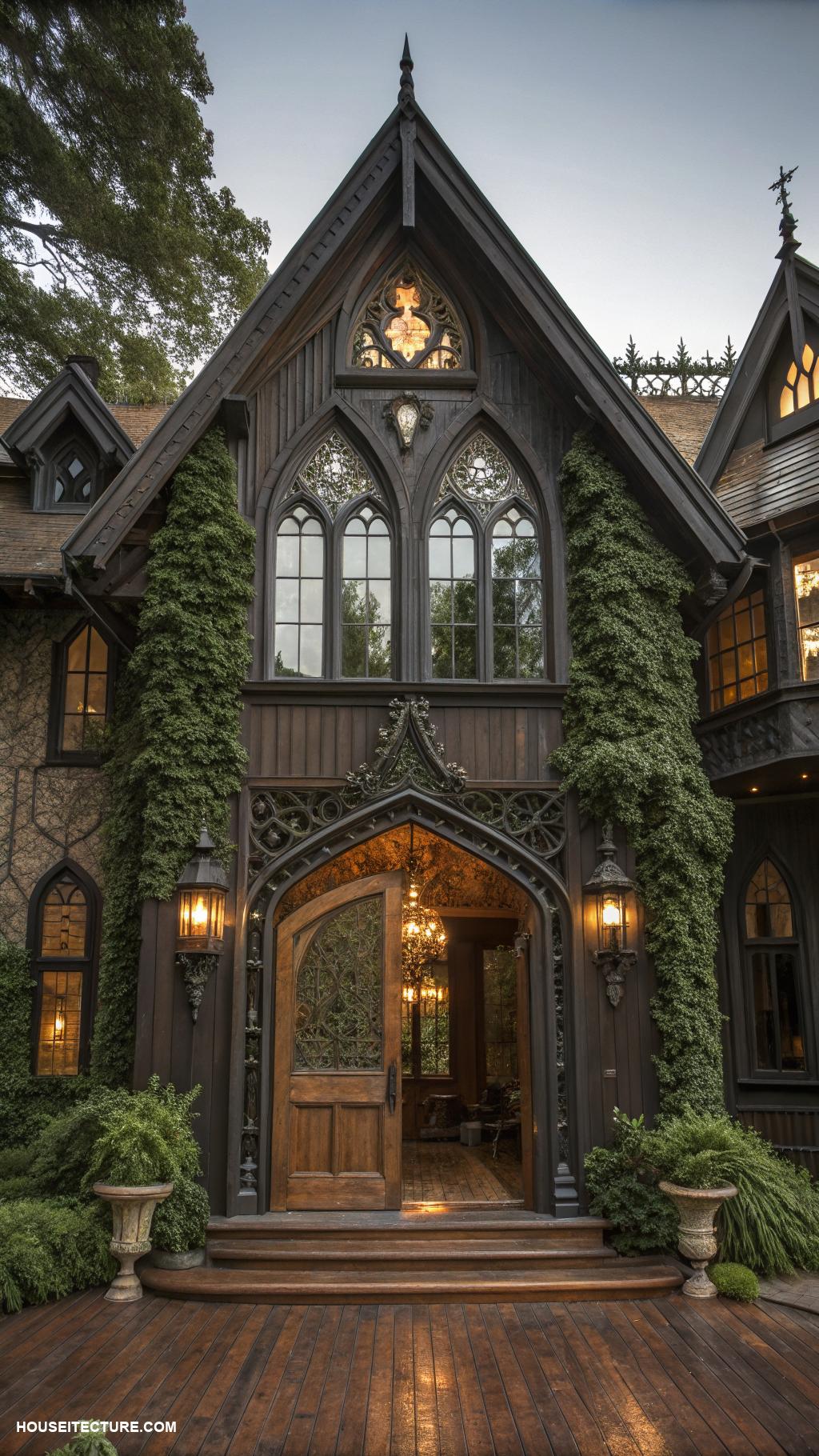
To achieve the dark wooden beam look, start by selecting high-quality hardwood such as walnut or mahogany for your beams, ensuring they are finished in a deep stain that highlights their natural grain. Install these beams across ceilings or as decorative accents on walls to create architectural interest. Complement the beams with matching dark wood finishes on furniture and cabinetry, and balance the look with lighter wall colors and soft furnishings to avoid a heavy atmosphere.
Crenellated Parapets for Medieval Flair
Crenellated parapets are a hallmark of medieval architecture, adding a touch of gothic flair to any structure. These decorative elements not only enhance the aesthetic appeal of a building but also evoke a sense of strength and defense. Integrating crenellated parapets into your home design can create a dramatic and historical atmosphere reminiscent of castles and fortresses.
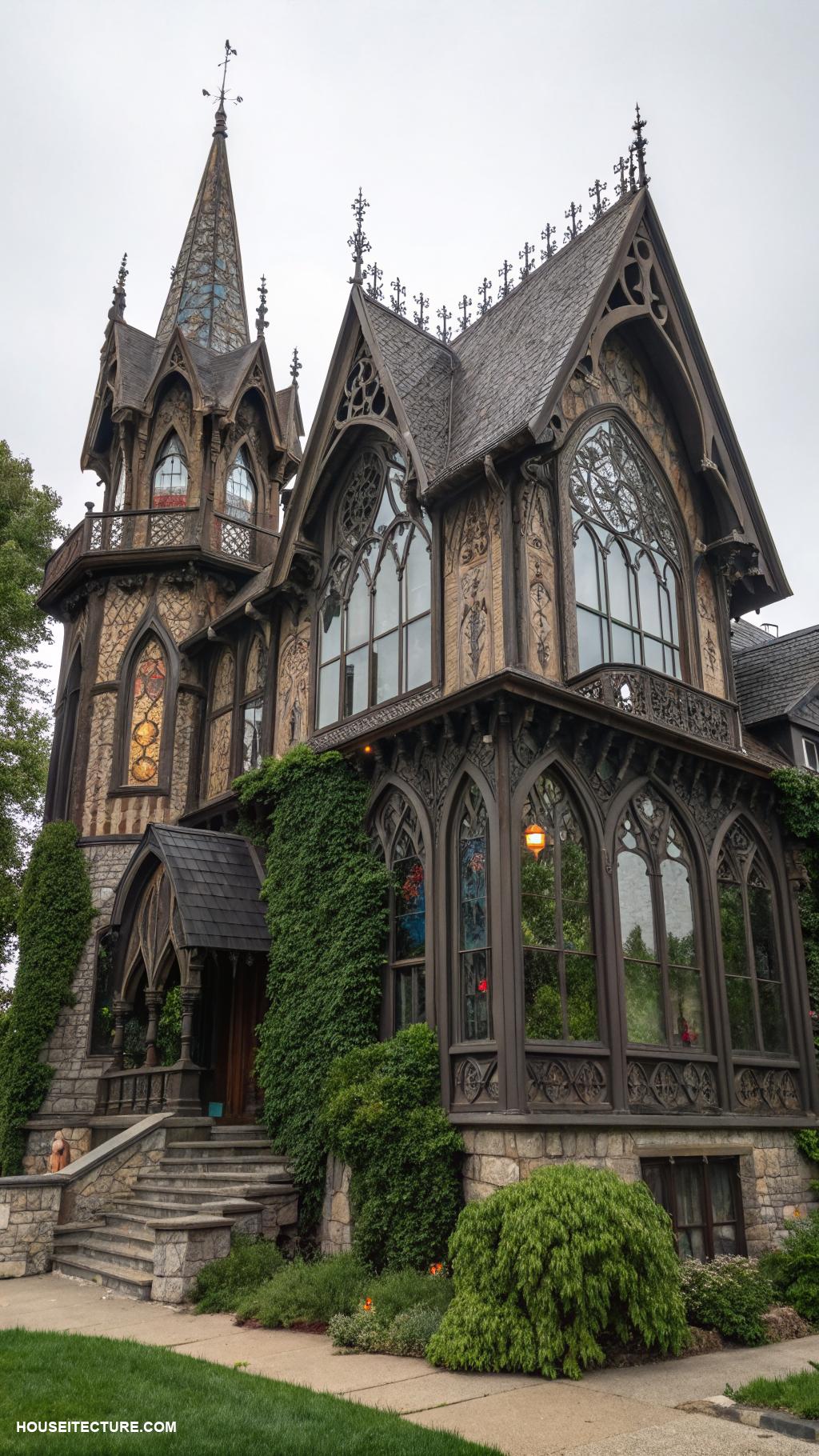
To achieve the look of crenellated parapets in your home, start by designing a low wall or rooftop extension with notches or indents to mimic the traditional crenellation shape. Choose materials that match your home’s existing architecture, such as stone or brick, and consider painting or staining them in dark, rich tones for a gothic feel. Finally, incorporate complementary architectural features like pointed arches or decorative finials to enhance the overall gothic aesthetic.
Large Fireplaces for Cozy Ambiance
Large fireplaces create a striking focal point in gothic architecture, enhancing the cozy ambiance of any living space. These grand structures often feature intricate stonework and ornate mantels, evoking a sense of history and warmth. Incorporating a large fireplace into your home design can transform your space into a welcoming retreat that invites relaxation and conversation.
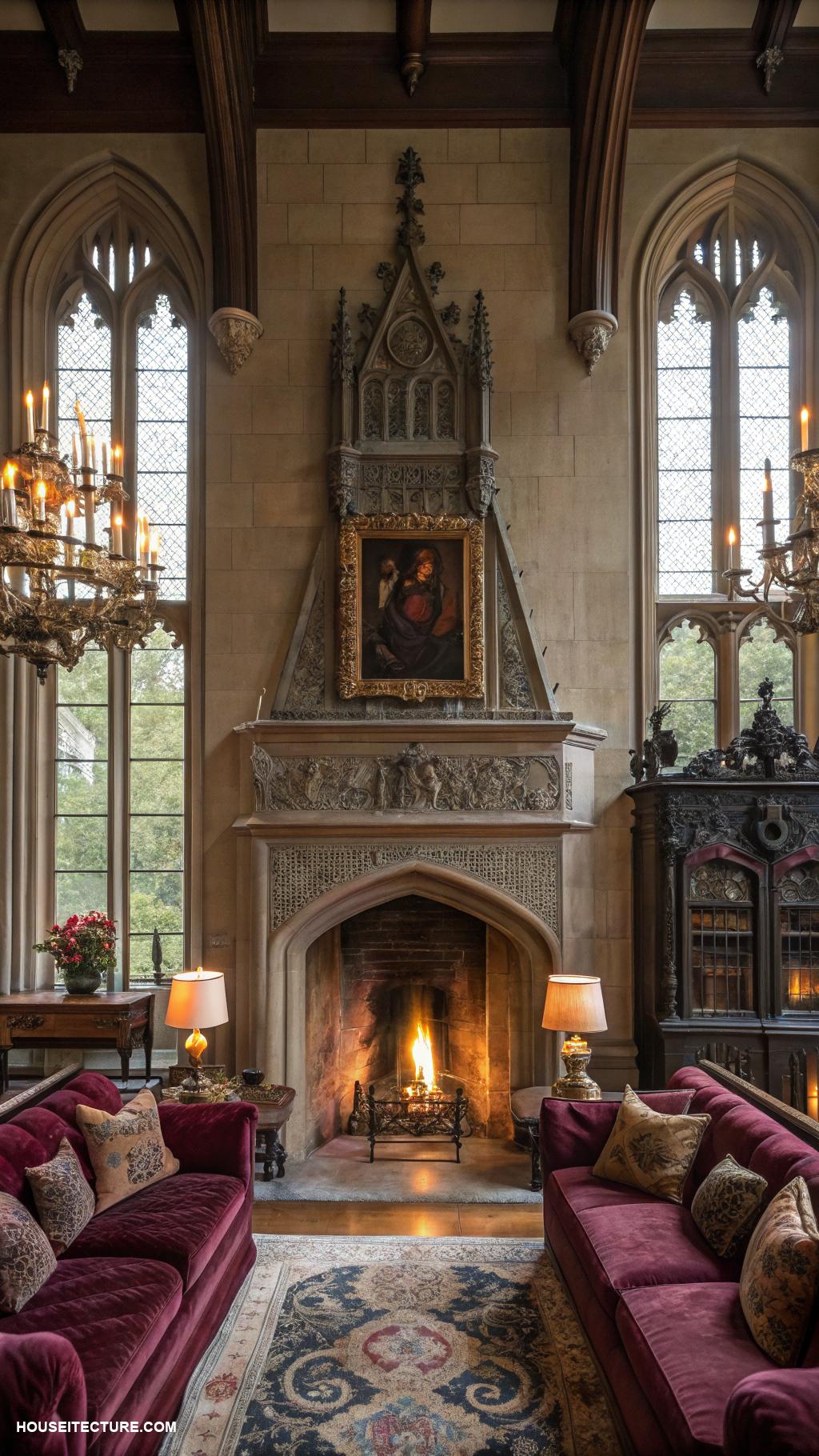
To achieve the look of a large gothic fireplace in your home, start by selecting a prominent wall location in your living area. Choose materials like distressed stone or dark hardwoods to create an authentic feel, and consider a design with arched openings or elaborate carvings. Finally, accessorize with vintage-style log baskets, ornate candle holders, and plush seating to complete the cozy ambiance.
Stone Facades with Ornate Details
Stone facades with ornate details are a hallmark of gothic architecture, adding a sense of grandeur and history to any home. These intricate designs often feature pointed arches, decorative carvings, and detailed stonework that captivate the eye and create a dramatic visual impact. Incorporating gothic elements can transform your home into a unique statement piece, reflecting both elegance and craftsmanship.
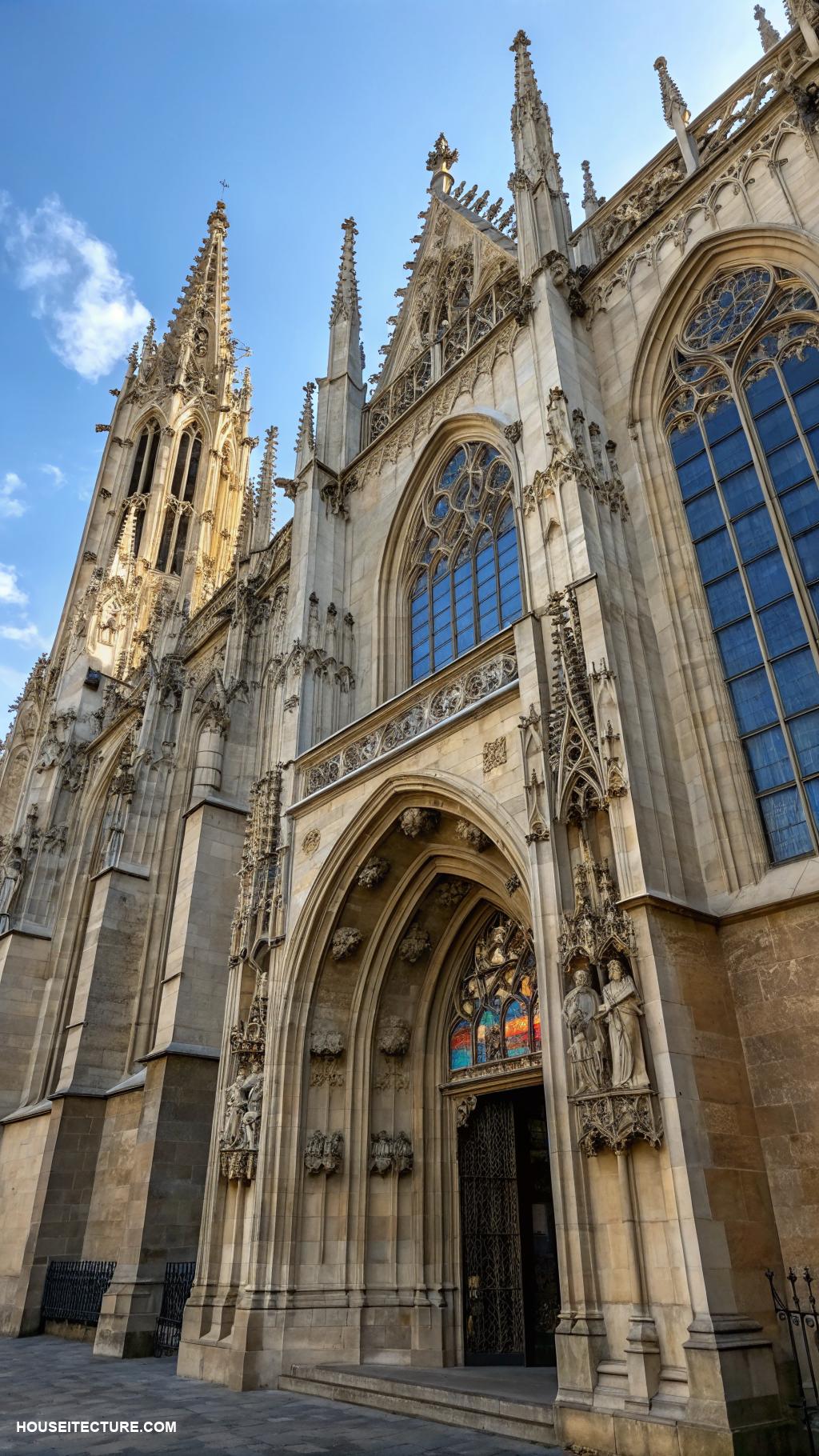
To achieve a gothic-inspired stone facade, begin by selecting natural stone or stone veneer that mirrors the traditional aesthetic. Focus on incorporating pointed arches and detailed carvings around windows and doorways for authenticity. Finish by adding ornate moldings and accents, such as gargoyle-inspired sculptures or wrought iron fixtures, to complete the look.
Secret Passageways and Hidden Doors
Secret passageways and hidden doors add a layer of intrigue and mystery to gothic architecture. These architectural features, often masked by ornate bookcases or cleverly disguised panels, invite exploration and spark the imagination. Incorporating such elements into your home design creates a unique and enchanting atmosphere that enchants visitors and residents alike.
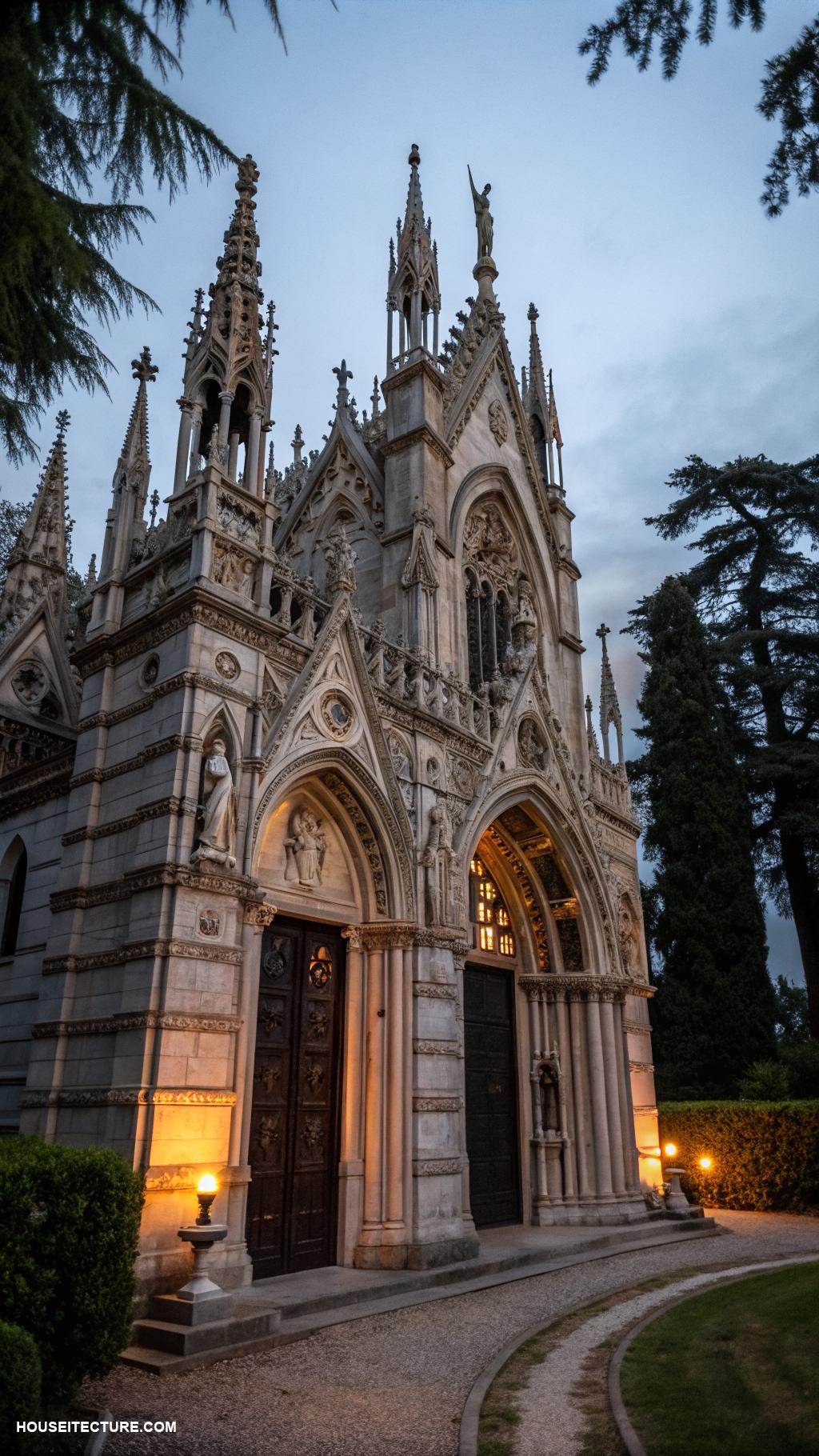
To achieve the look of secret passageways in your home, start by identifying an area where you could add a concealed door, such as a study or library. Consider using a bookcase or a panel wall to hide the entrance, ensuring the design blends seamlessly with the surrounding decor. Finally, incorporate mechanisms such as sliding doors or hinges that allow for easy access while maintaining the illusion of a solid wall.