10 Nordic House Architecture Design Ideas to Bring the Fjords to Your Home
Nordic house architecture has long been revered for its minimalist, natural, and harmonious blend of function and form, evoking a sense of calmness and serenity that is unmatched by modern homes. Characterized by simple lines, rectangular shapes, and an emphasis on light and ventilation, Nordic design has been a staple of Swedish, Danish, and Norwegian architecture for centuries.
From the snow-capped mountains of Lapland to the cozy cottages of the countryside, the Nordic aesthetic is a masterclass in subtlety and restraint, where clean lines, minimal ornamentation, and a deep connection to the natural world come together to create homes that feel like a breath of fresh air.

New Nordic Houses
Check Price on AmazonMinimalist Exteriors with Wooden Siding.
Minimalist exteriors with wooden siding embody a harmonious blend of simplicity and natural beauty, characteristic of Nordic architecture. The clean lines and understated aesthetics create a sense of calm, making these homes feel like serene retreats. The wooden siding, often left in its natural state or treated with subtle finishes, enhances the connection to the surrounding landscape while promoting sustainability. Large windows are strategically placed to invite abundant natural light, further emphasizing the indoor-outdoor relationship.
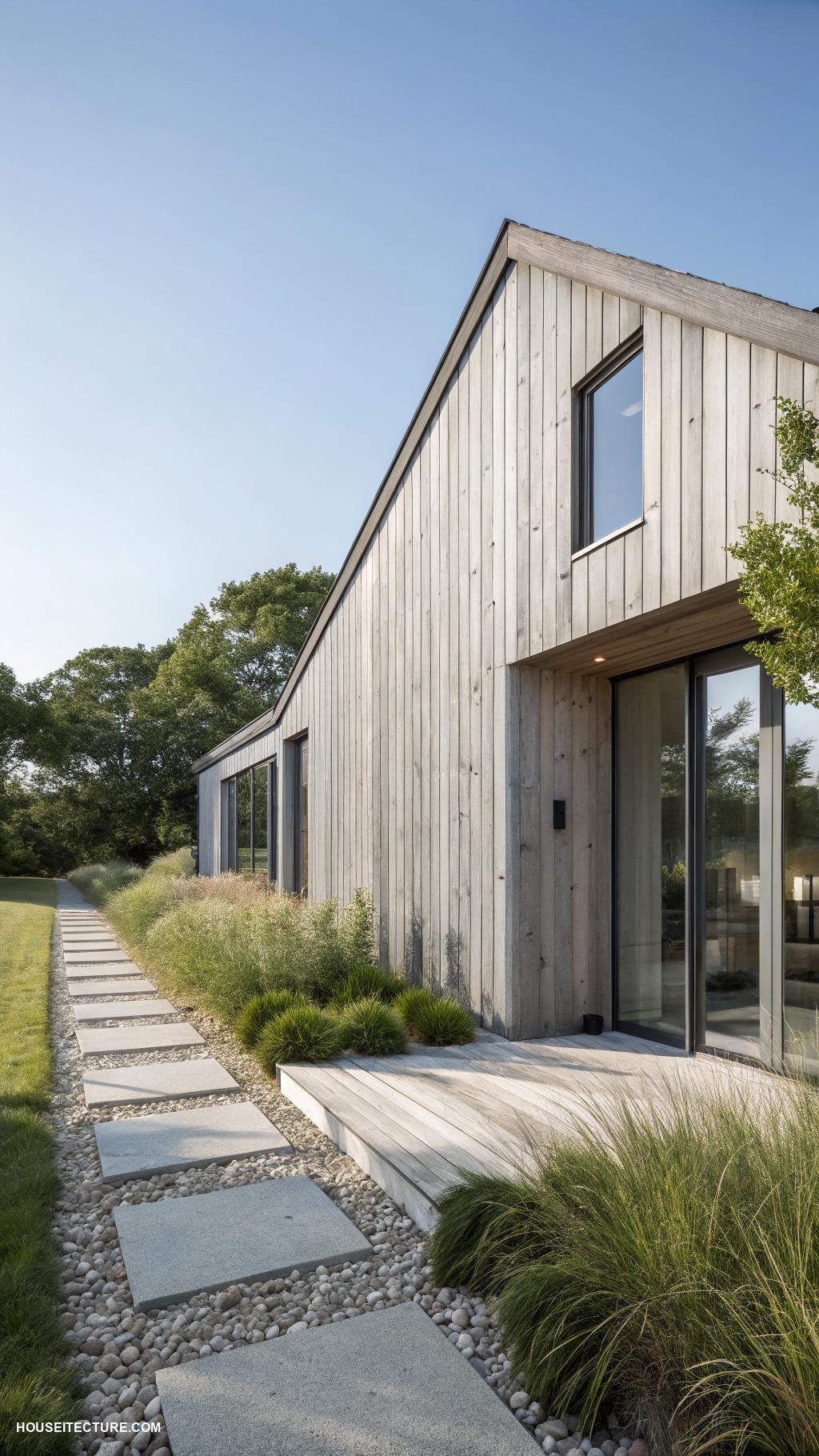
This design approach not only prioritizes functionality but also celebrates the beauty of craftsmanship, with each element thoughtfully curated to evoke a sense of tranquility and warmth. Embracing minimalism in these homes allows for a spacious and airy feel, perfect for contemporary living.
Sustainable Materials for Eco-Friendly Living.
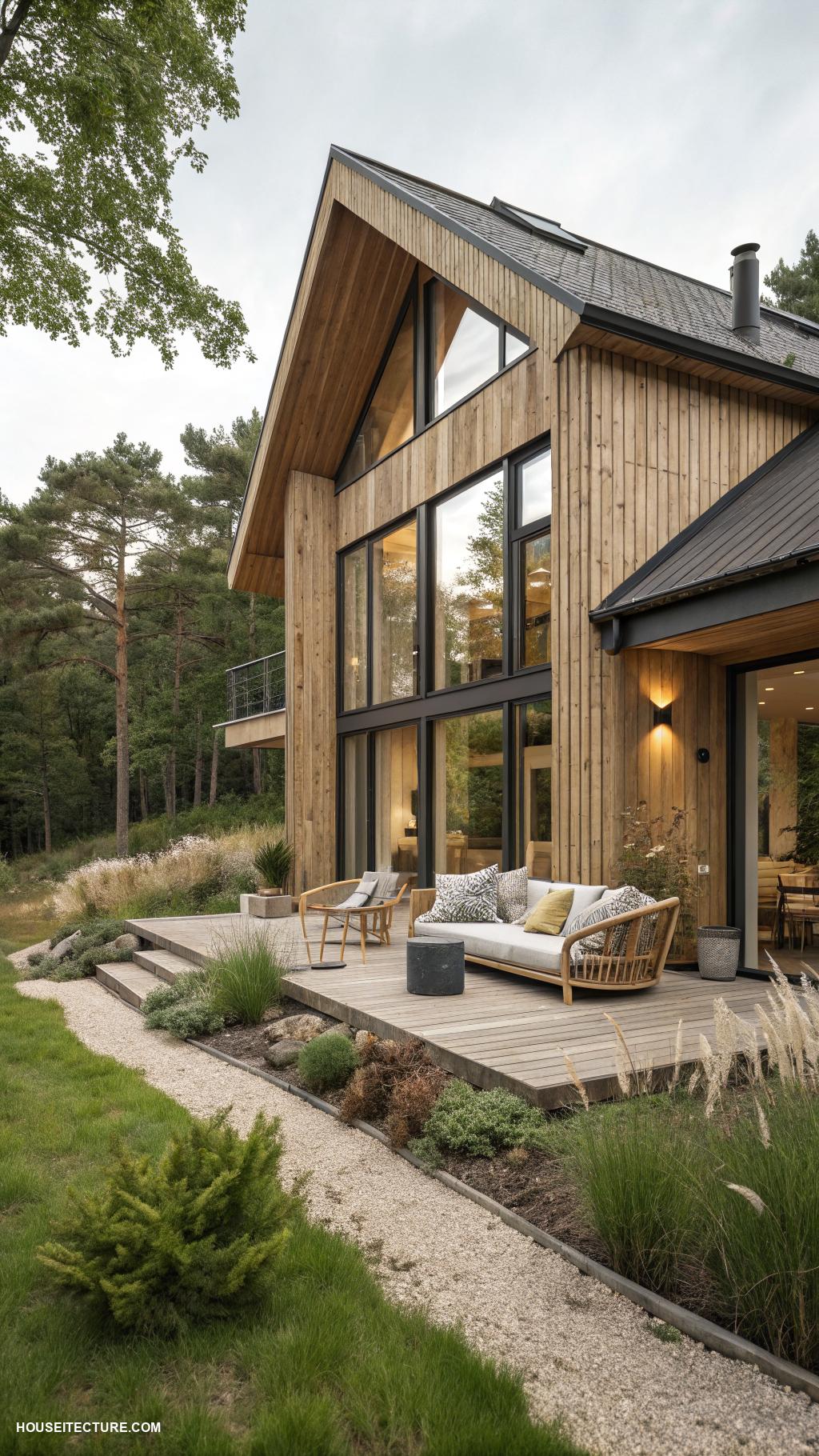
Sustainable materials are pivotal in Nordic house architecture, emphasizing eco-friendly living and a harmonious relationship with nature. Timber, particularly from responsibly managed forests, is a popular choice, offering excellent insulation and a warm, inviting aesthetic. Recycled and upcycled materials also find their way into contemporary designs, reducing waste and carbon footprints while adding unique character to each space. Additionally, natural stone and clay are celebrated for their durability and minimal environmental impact, providing a timeless appeal in a minimalist setting. Embracing these materials not only enhances the beauty of a home but also supports a more sustainable future, aligning perfectly with the Scandinavian ethos of simplicity and functionality. As homeowners increasingly prioritize eco-conscious living, integrating sustainable materials becomes essential in creating spaces that reflect both style and responsibility.
Large Windows for Natural Light
Large windows are a hallmark of Nordic house architecture, seamlessly blending indoor spaces with the natural beauty outside. These expansive glass panes invite an abundance of natural light, creating airy and inviting environments that are essential for well-being. With longer daylight hours during the summer months, these windows maximize exposure to sunlight, enhancing the warmth of minimalist interiors.
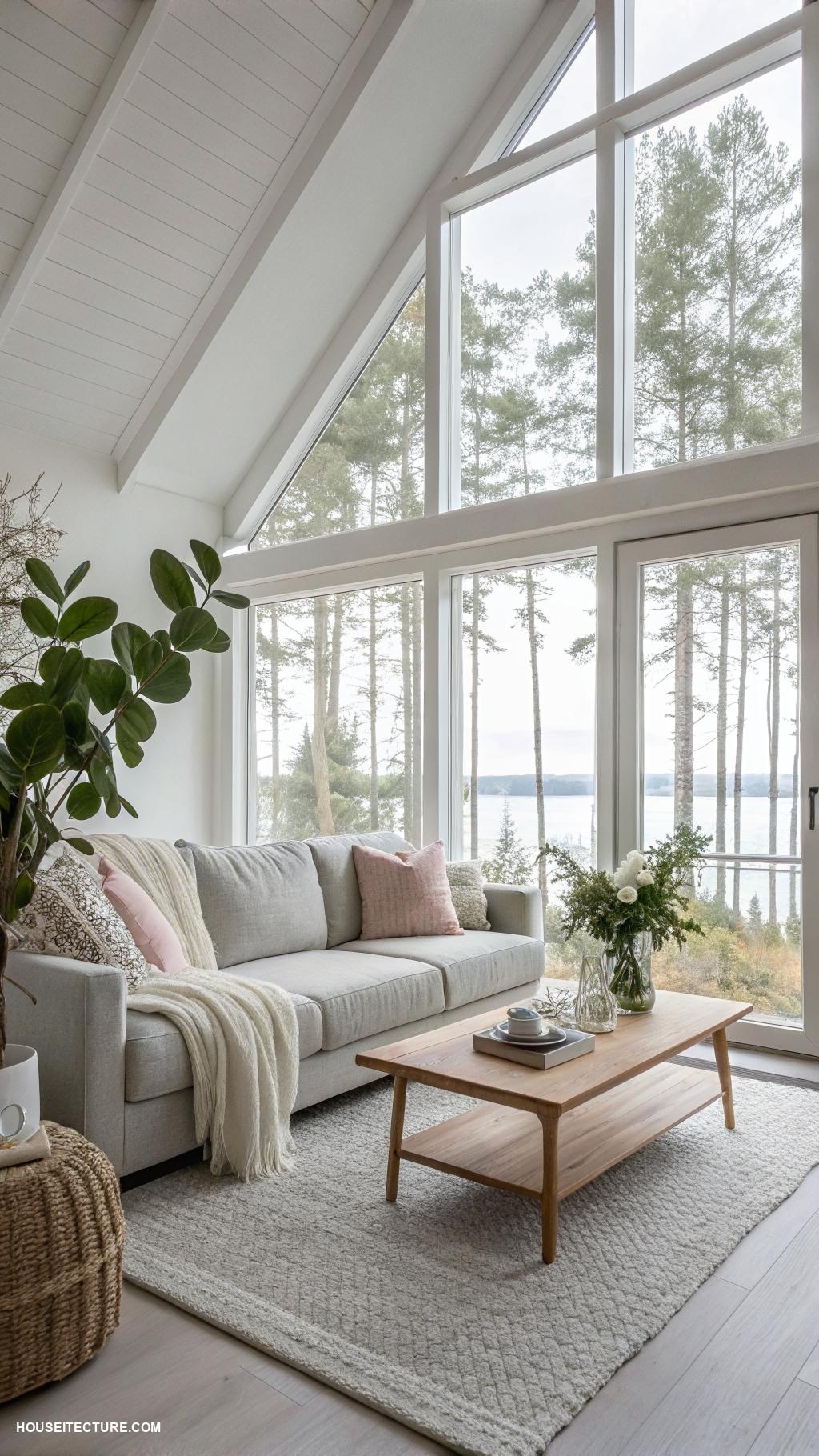
Additionally, they provide stunning views of the picturesque Scandinavian landscapes, fostering a deep connection with nature. Incorporating large windows not only brightens up the living space but also promotes energy efficiency by reducing the need for artificial lighting during the day. This trend emphasizes simplicity and functionality, hallmarks of Nordic design philosophy, making homes feel more alive and connected to the outside world.
Open Floor Plans Promoting Spaciousness.
Open floor plans are a hallmark of Nordic house architecture, seamlessly merging key living spaces to create a sense of spaciousness and flow. This design approach eliminates unnecessary walls, allowing natural light to permeate throughout the home, which not only enhances the ambiance but also fosters a feeling of airiness.
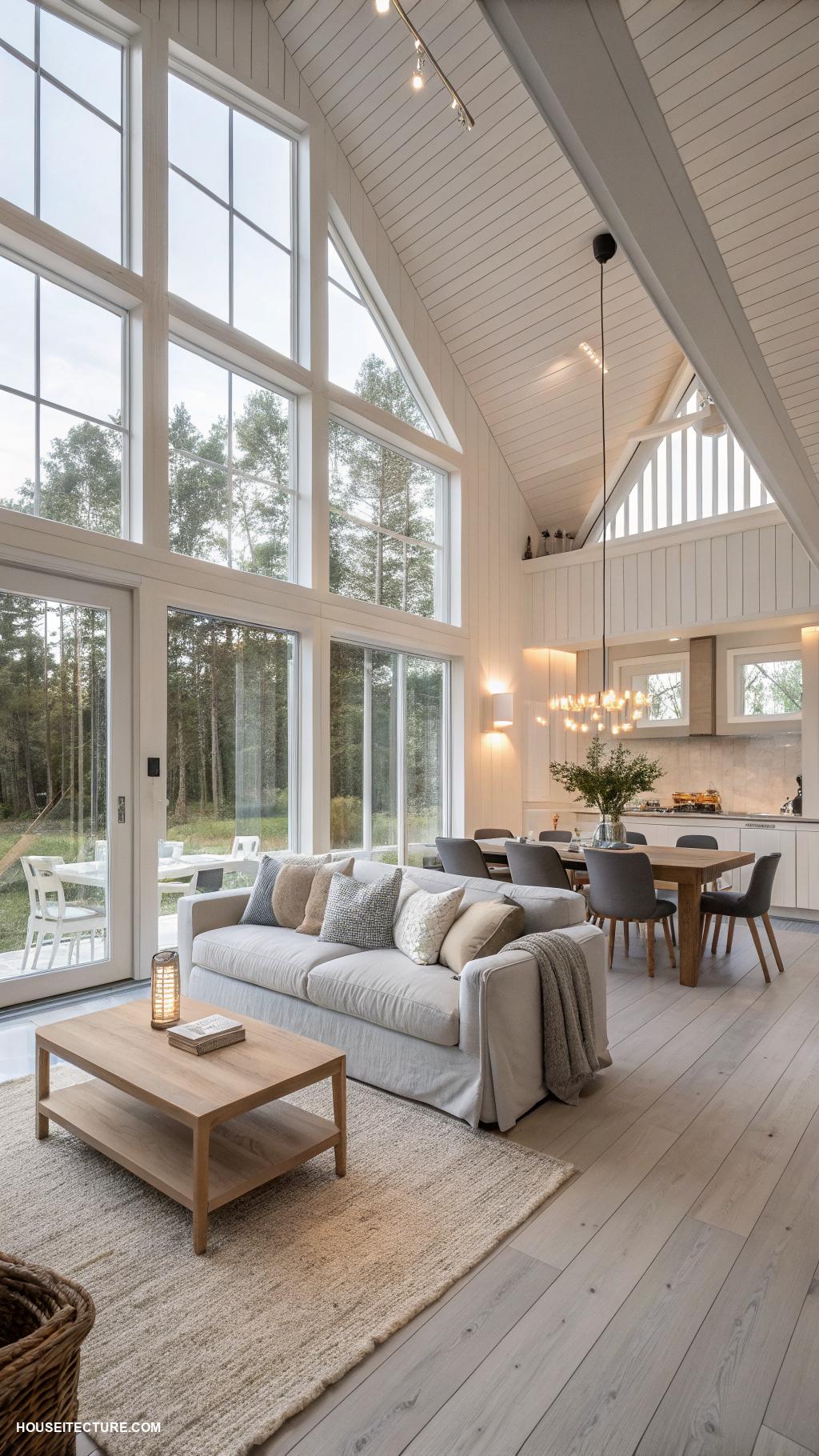
By integrating the kitchen, dining, and living areas, families can enjoy a more connected lifestyle, making it easier to entertain guests or keep an eye on children while cooking. The minimalist aesthetic typical of Nordic design further amplifies this sense of openness, with clean lines and neutral color palettes that promote tranquility.
In addition, the use of multifunctional furniture and clever storage solutions maximizes utility without compromising on space. Embracing an open floor plan in Nordic-inspired homes truly aligns with modern living, creating an inviting and spacious environment that speaks to contemporary sensibilities.
Green Roofs for Enhanced Insulation.
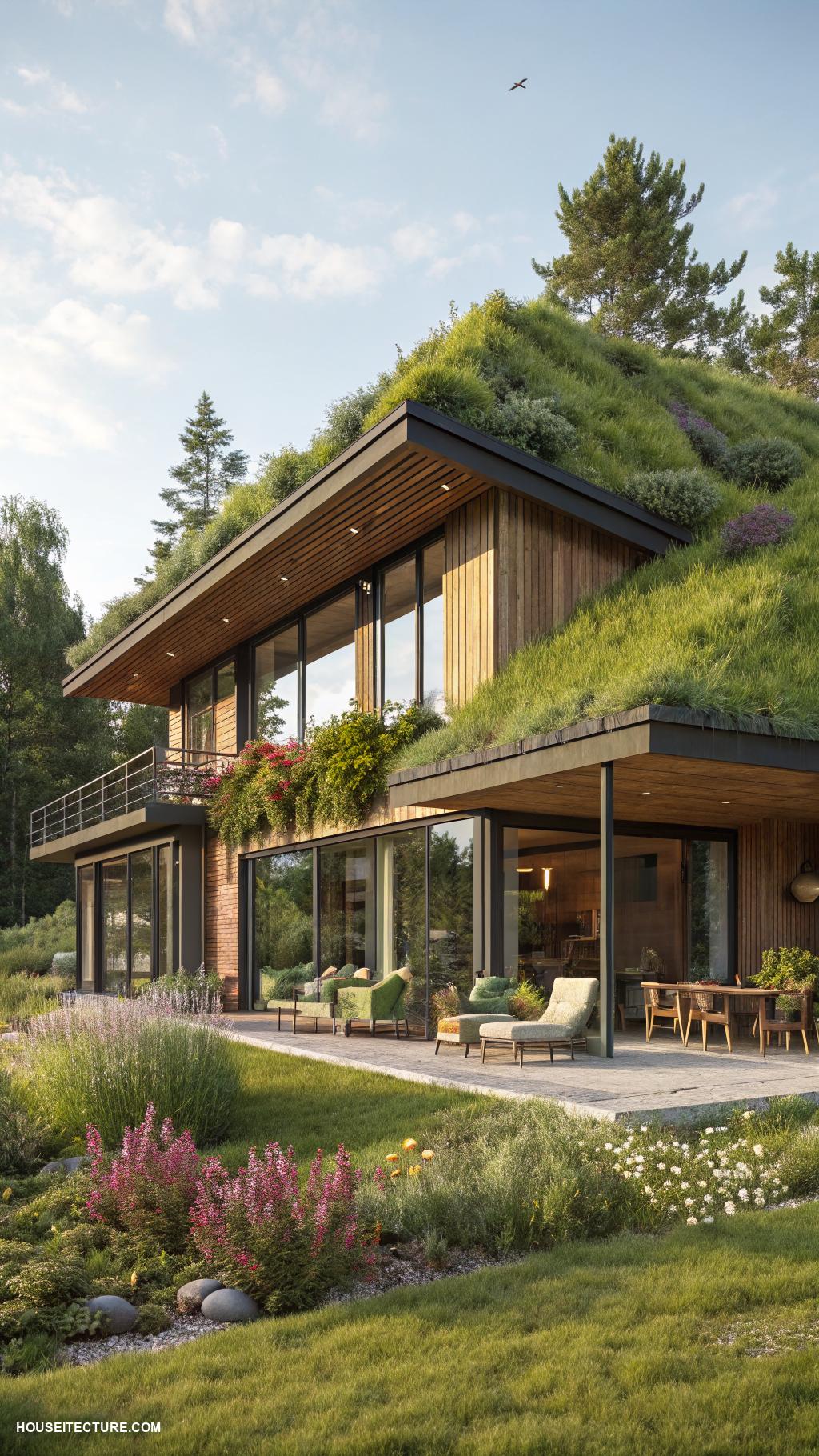
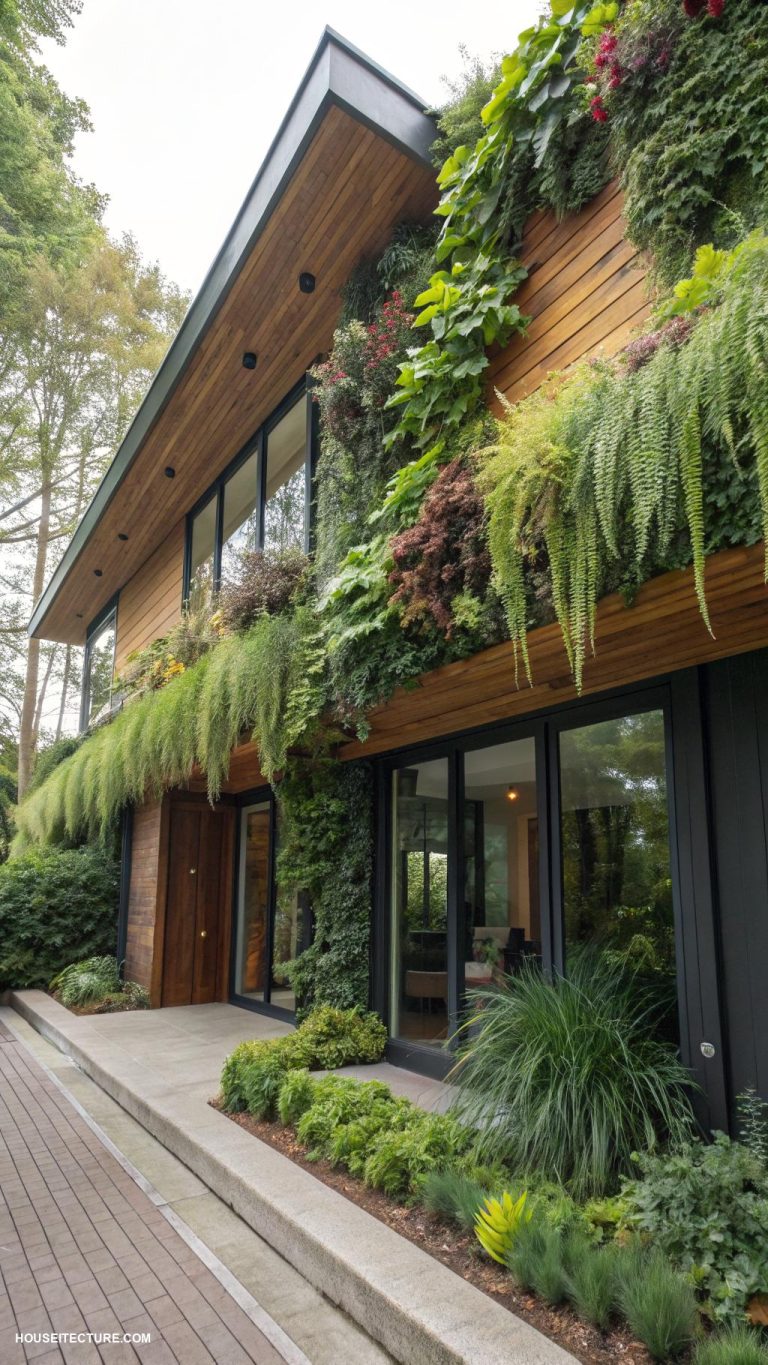
Green roofs are becoming increasingly popular in Nordic house architecture, offering a sustainable way to enhance insulation while blending harmoniously with the natural landscape. By incorporating a layer of vegetation atop the roof, these systems not only provide excellent thermal insulation but also reduce heat loss during the harsh winters. The plants absorb sunlight, which helps to maintain a comfortable indoor temperature year-round. Additionally, green roofs contribute to improved air quality and can manage rainwater runoff effectively, which is especially important in areas with unpredictable weather patterns. This innovative design trend not only enhances the aesthetic appeal of homes but also promotes eco-friendly living, making it a perfect choice for environmentally conscious homeowners. Embracing green roofs can transform a traditional Nordic home into a modern, energy-efficient sanctuary.
Combining Indoor and Outdoor Spaces.
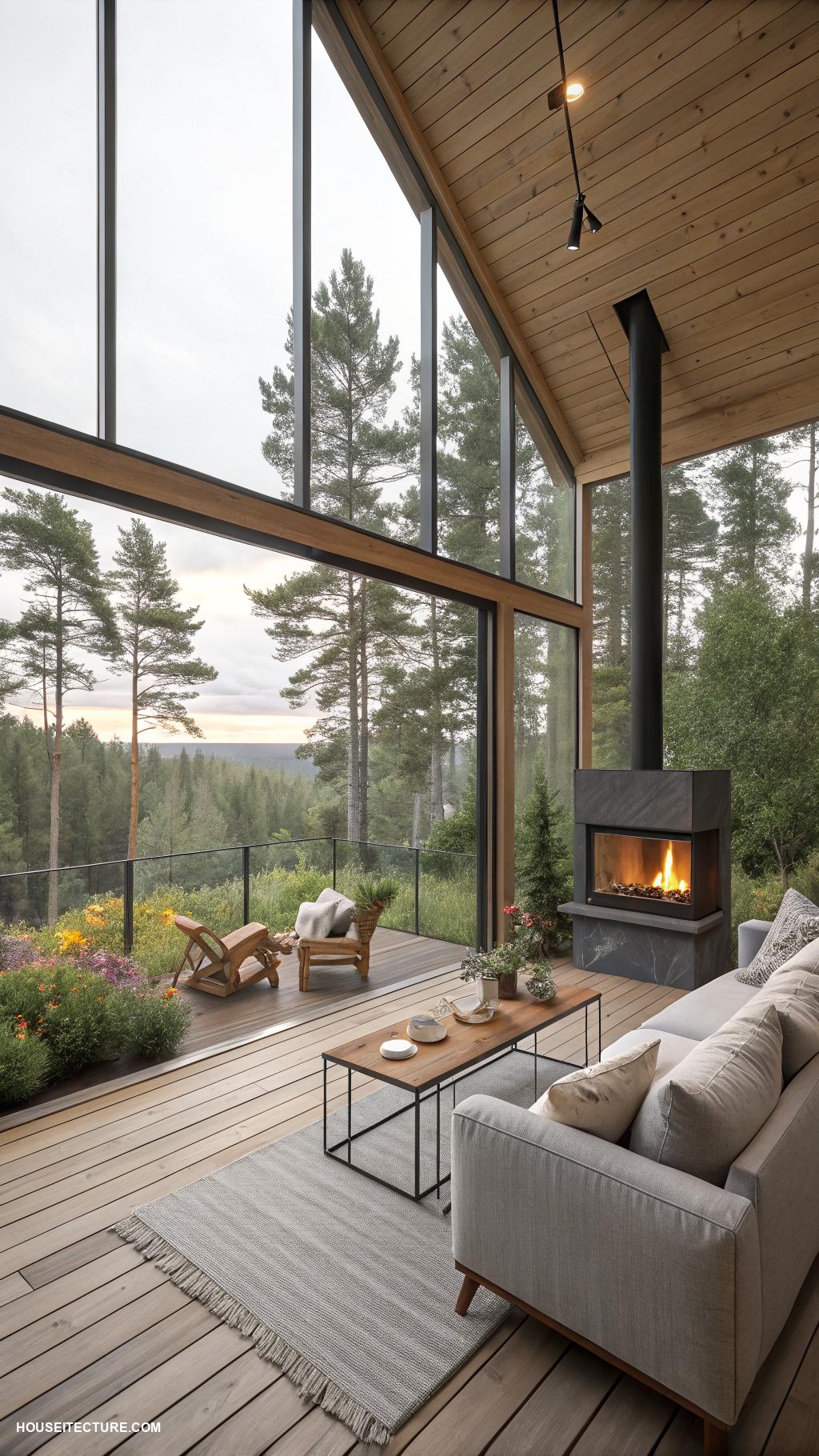
Combining indoor and outdoor spaces is a hallmark of Nordic house architecture, seamlessly blending the comfort of interior living with the beauty of nature. Large windows and sliding doors are often utilized to create a fluid transition, allowing natural light to flood in while providing stunning views of the surrounding landscape. Open-plan layouts further enhance this connection, encouraging an airy atmosphere that feels expansive and inviting. Incorporating natural materials such as wood and stone not only complements the aesthetic but also fosters a sense of harmony with the outdoors. Garden terraces, balconies, and patios serve as extensions of the living space, perfect for relaxation or entertaining while enjoying the fresh air. This thoughtful approach promotes a lifestyle that embraces both comfort and nature, making it a popular trend in modern home design.
Use of Neutral Color Palettes.
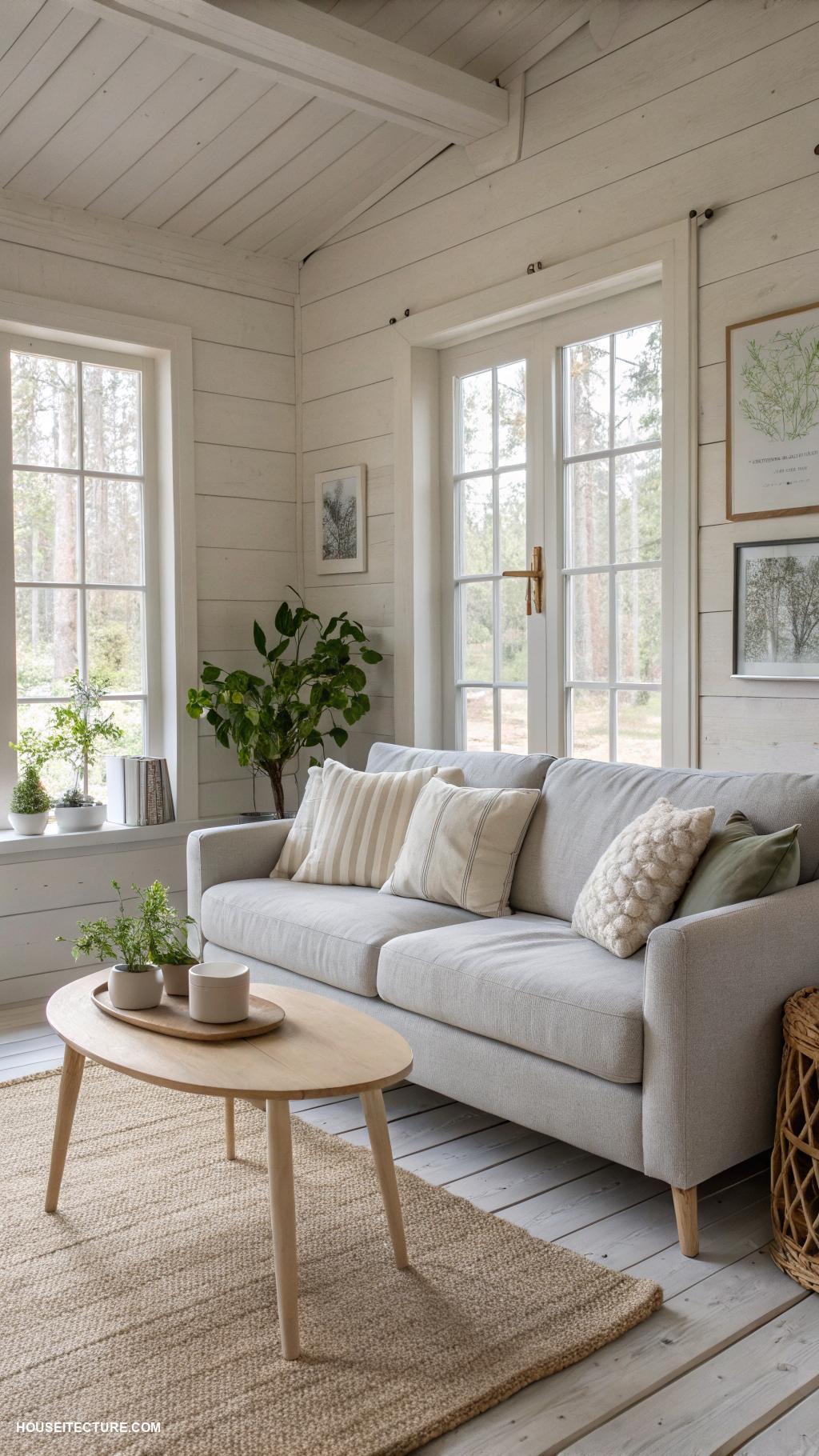
Neutral color palettes have become a defining characteristic of Nordic house architecture, showcasing a harmonious blend of simplicity and elegance. These soft hues, ranging from warm beiges to cool grays, create a serene backdrop that highlights the natural beauty of materials such as wood and stone. By utilizing neutral tones, designers can amplify the light and airy feel typical of Scandinavian interiors, making spaces feel more open and inviting. This understated approach not only promotes tranquility but also allows for versatility, enabling homeowners to easily incorporate pops of color through furnishings and decor. As a trend, embracing a neutral palette fosters a connection with nature, echoing the Nordic ethos of sustainability and minimalism. Ultimately, the use of these colors encourages a timeless aesthetic that transcends fleeting design fads, making it a perfect choice for modern living.
Smart Home Technology Integration.
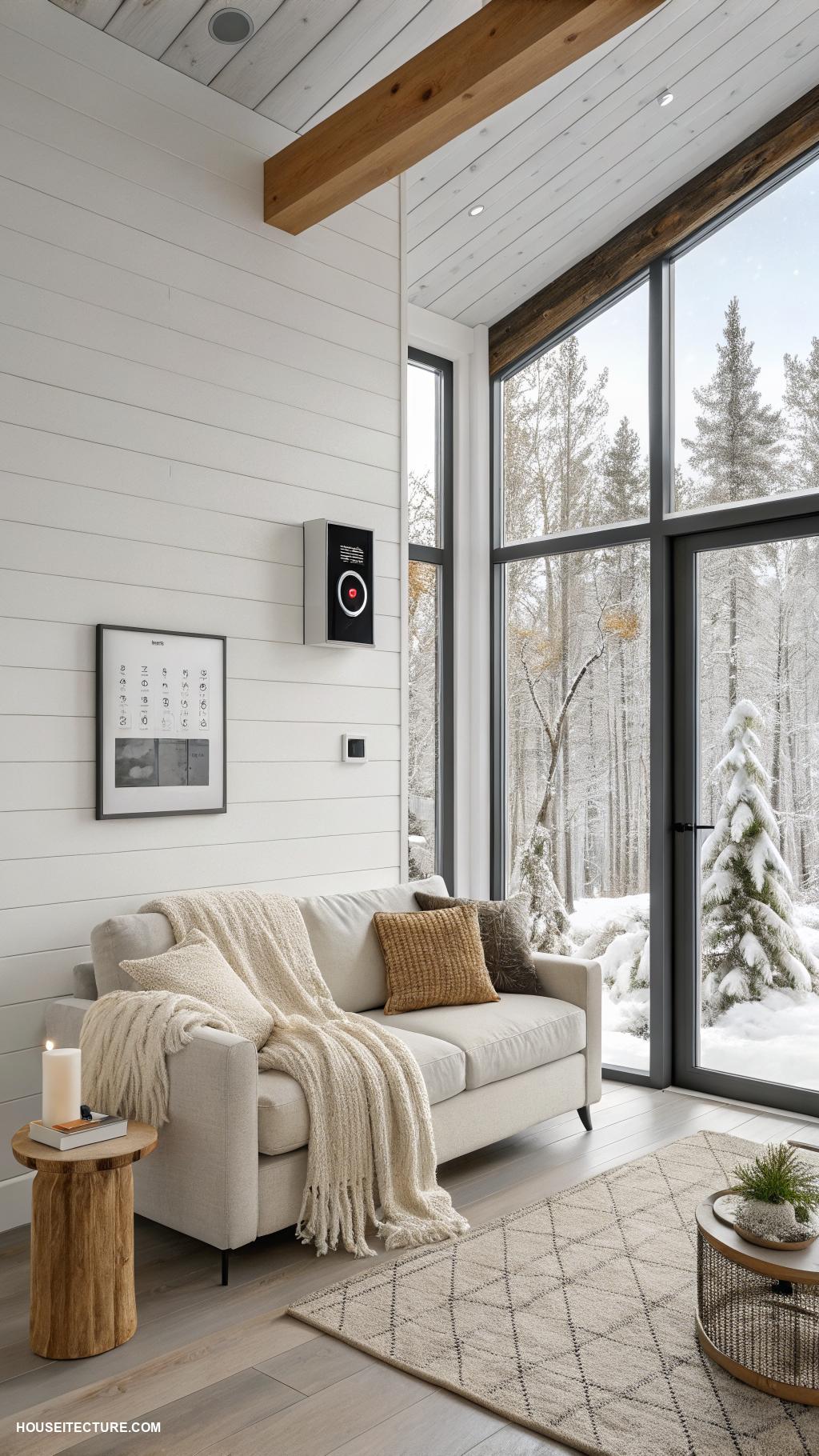
Smart home technology integration is revolutionizing modern Nordic house architecture, enhancing both functionality and aesthetic appeal. By seamlessly blending advanced devices with minimalist design principles, these homes embody the perfect marriage of form and function. From automated lighting and energy-efficient climate control systems to smart security features and voice-activated assistants, homeowners can tailor their living spaces to their specific needs. This integration not only boosts convenience but also promotes sustainability, aligning with Nordic values of environmental mindfulness. Additionally, the use of smart technology in these homes can help streamline daily routines and create a more harmonious living environment, making them ideal for today’s multi-tasking individuals. As more women prioritize both style and efficiency in their homes, the demand for smart integrations within Nordic architecture continues to grow.
Cozy Fireplaces for Winter Warmth.
Cozy fireplaces are an essential element of Nordic house architecture, creating inviting spaces that embrace warmth during the chill of winter. Designed with simplicity and functionality in mind, these fireplaces often feature clean lines and natural materials, blending seamlessly into the minimalist aesthetic.
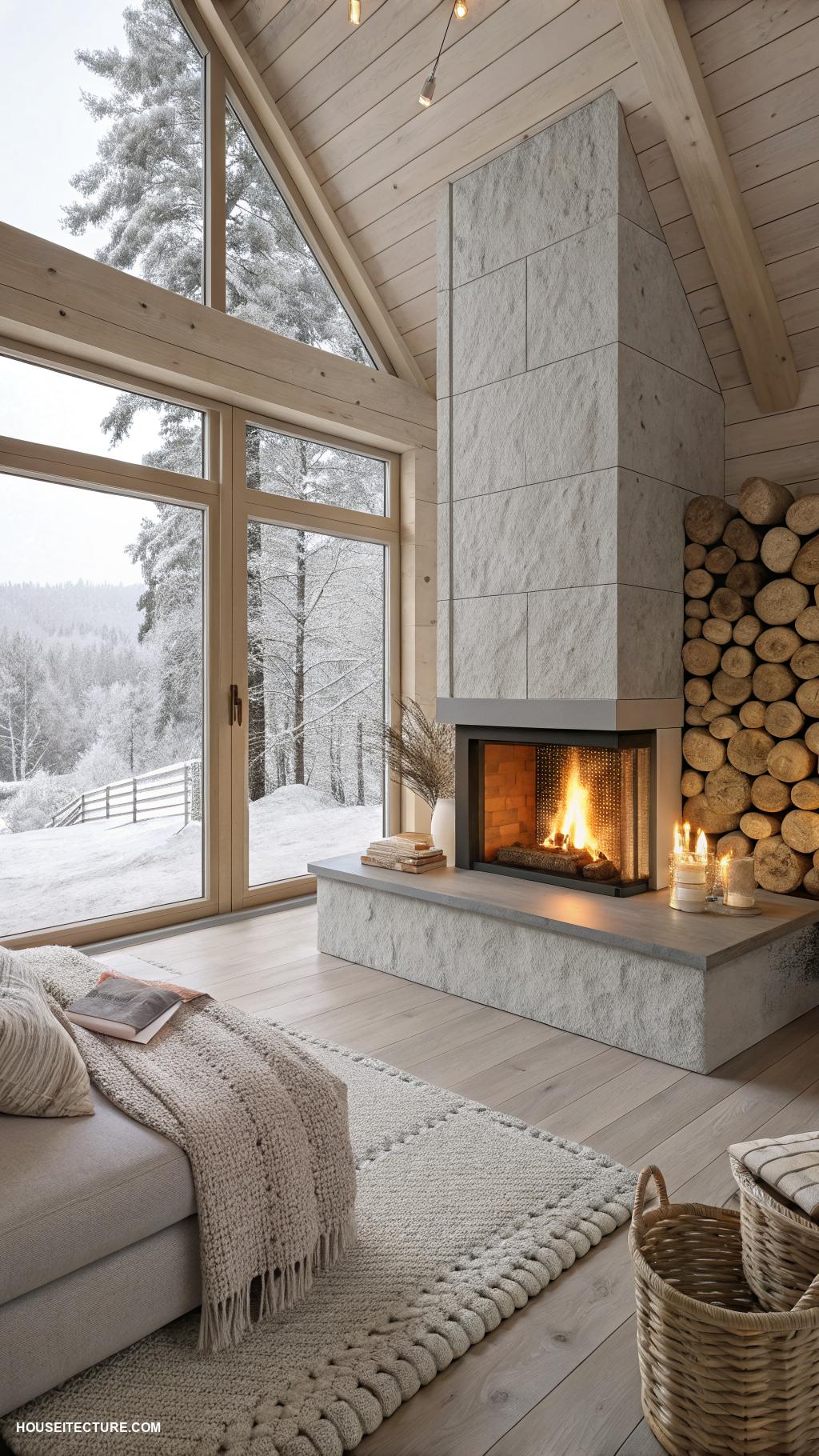
The crackling of a fire not only provides physical heat but also fosters a sense of comfort and togetherness, making it the perfect gathering spot for family and friends. Many Nordic designs incorporate large hearths or open layouts that allow the fire’s glow to radiate throughout the home, enhancing the overall ambiance.
With a focus on sustainability, these fireplaces often utilize wood-burning methods that align with eco-friendly practices, allowing homeowners to enjoy a cozy retreat while being mindful of the environment. Embracing the charm of a warm fire, Nordic architecture encourages us to slow down, savor the moment, and find joy in the simple pleasures of winter living.
Functional Outdoor Living Areas.
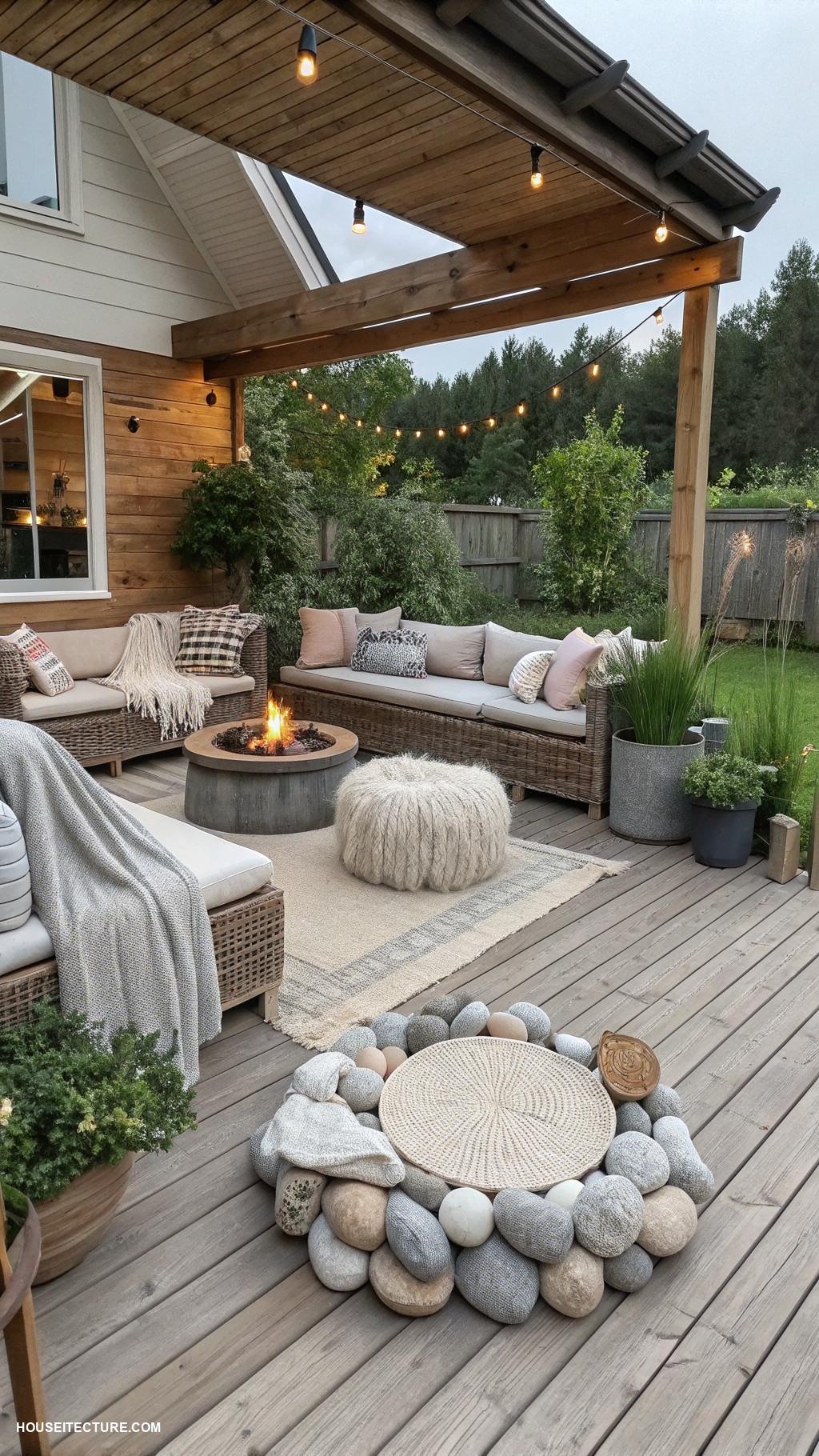
Functional outdoor living areas are becoming increasingly popular in Nordic house architecture, seamlessly blending nature with modern design. These spaces prioritize comfort and usability, often featuring cozy seating arrangements, fire pits, and weather-resistant materials that withstand the elements. Incorporating natural elements, such as wooden decks or stone pathways, enhances the organic feel of the environment, making it an extension of the home. Greenery plays a crucial role, whether through carefully selected plants or vertical gardens that add life and color. Furthermore, lighting designs that cater to outdoor entertaining turn these areas into inviting spots for gatherings, encouraging a lifestyle that embraces the outdoors. Ultimately, these functional spaces reflect a commitment to well-being and togetherness, which is central to Nordic living.