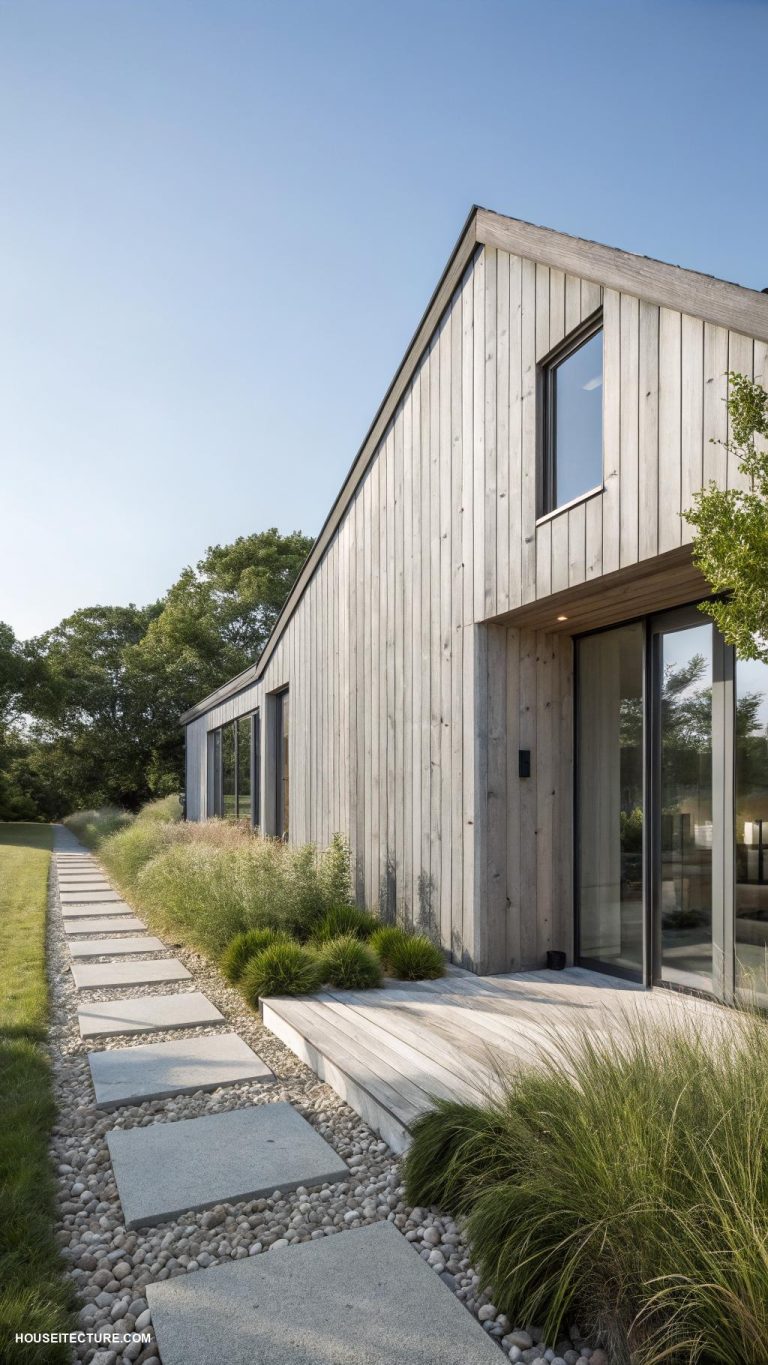
10 Ways Organic Architecture Can Inspire Your Home Exterior
The allure of organic architecture has been a staple of sustainable design for decades, but in recent years, it has experienced a resurgence in popularity. What was once considered a niche interest has transcended its quirky roots to become a mainstream trend, with designers and homeowners alike embracing the benefits of biophilic design, natural materials, and a more harmonious relationship with nature.
As the world becomes increasingly aware of the importance of preserving our planet’s natural beauty and resources, the demand for organic architecture continues to grow, and it’s easy to see why.
Whether you’re in the market for a new home or simply looking to update your existing space, organic architecture offers a unique opportunity to create a space that not only reflects your personal style but also contributes to a healthier and more sustainable lifestyle.

Organic Architecture: The Other Modernism
Check Price on AmazonIntegrate Living Walls for Natural Insulation.
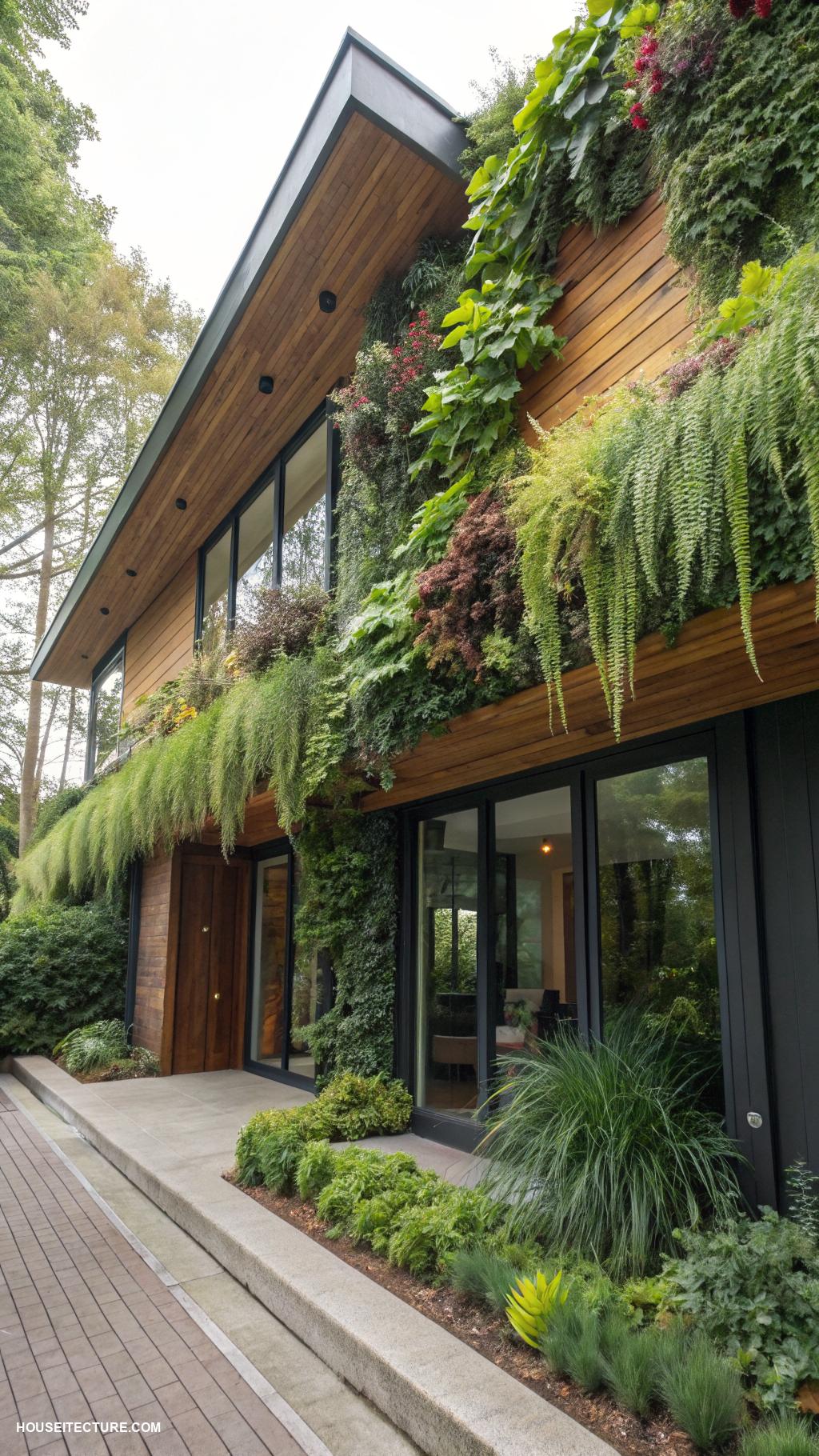
Integrating living walls into your home design not only enhances the visual appeal but also provides natural insulation, helping to regulate indoor temperatures year-round. These vertical gardens, composed of various plants, create a protective layer that reduces heat loss in winter and keeps spaces cool in summer. Embracing living walls is a sustainable choice that embodies the principles of organic architecture while encouraging biodiversity and improving air quality in your home.
Use Reclaimed Wood in Contemporary Designs.
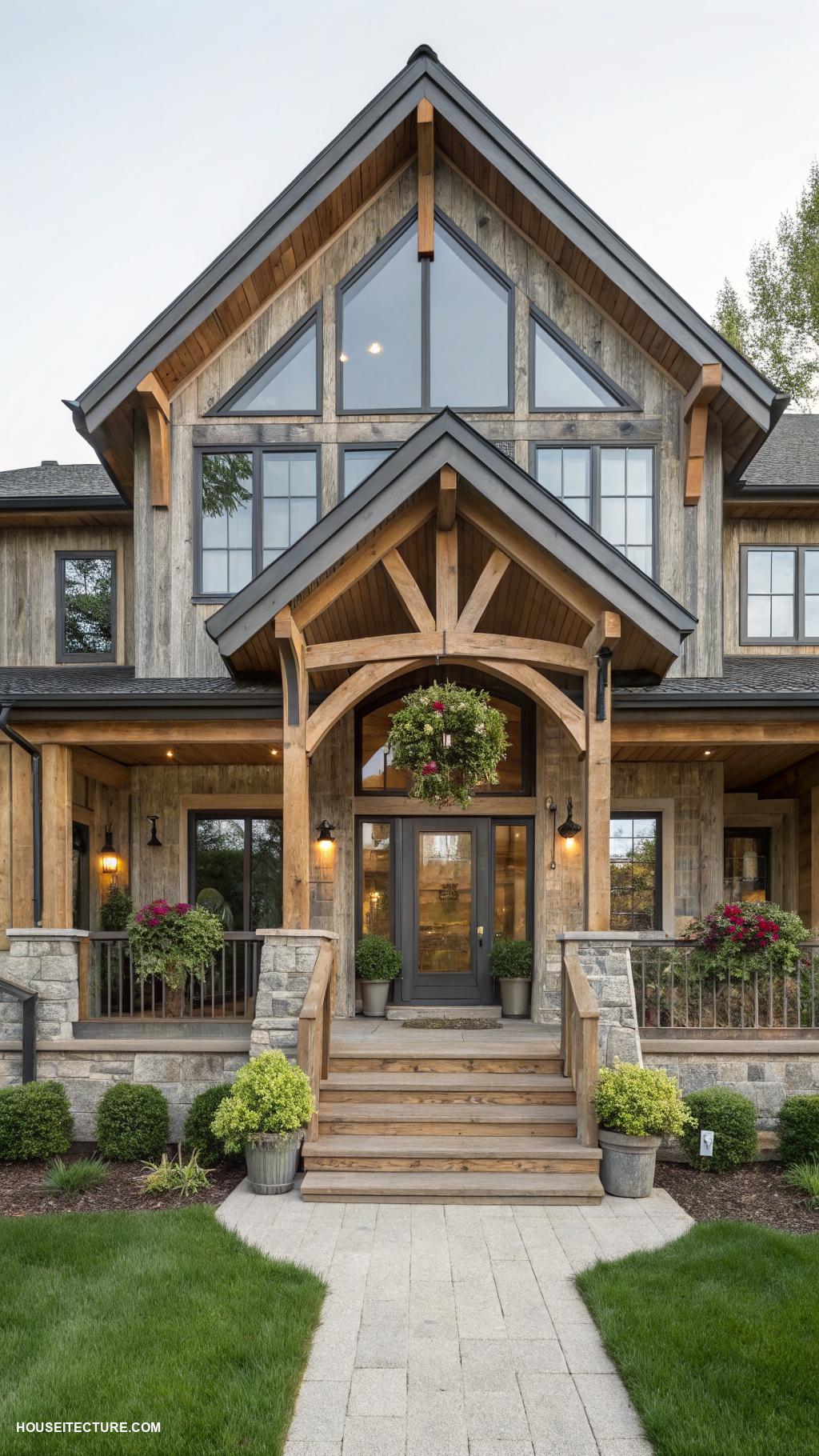
Incorporating reclaimed wood into contemporary designs adds warmth and character while promoting sustainability. This eco-friendly choice not only elevates the aesthetic appeal of modern homes but also tells a story through its unique textures and histories. By blending reclaimed wood with sleek lines and minimalist forms, homeowners can achieve a harmonious balance between nature and modernity that resonates beautifully in today’s organic architecture trends.
Create Curved Structures Mimicking Natural Forms.
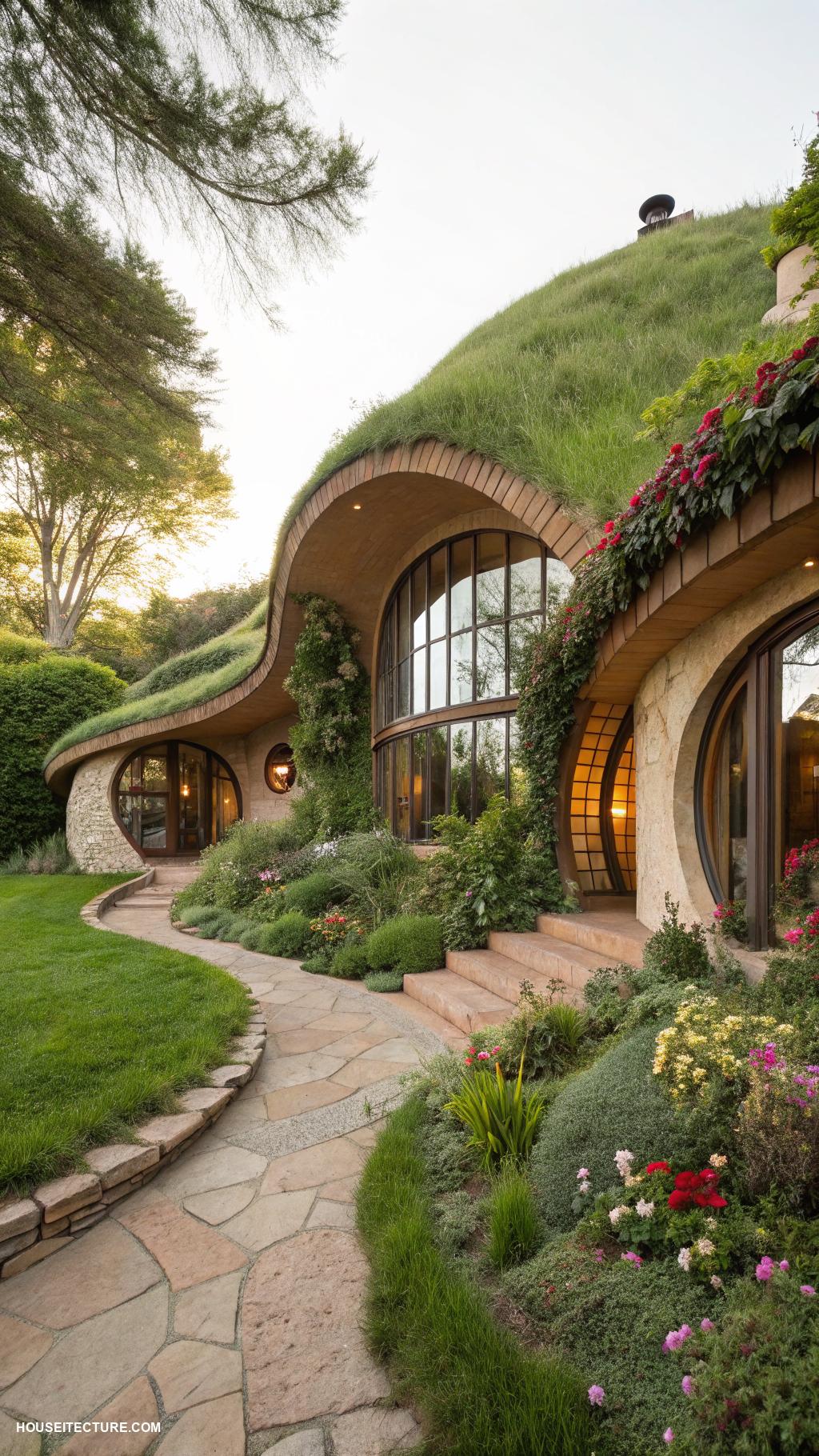
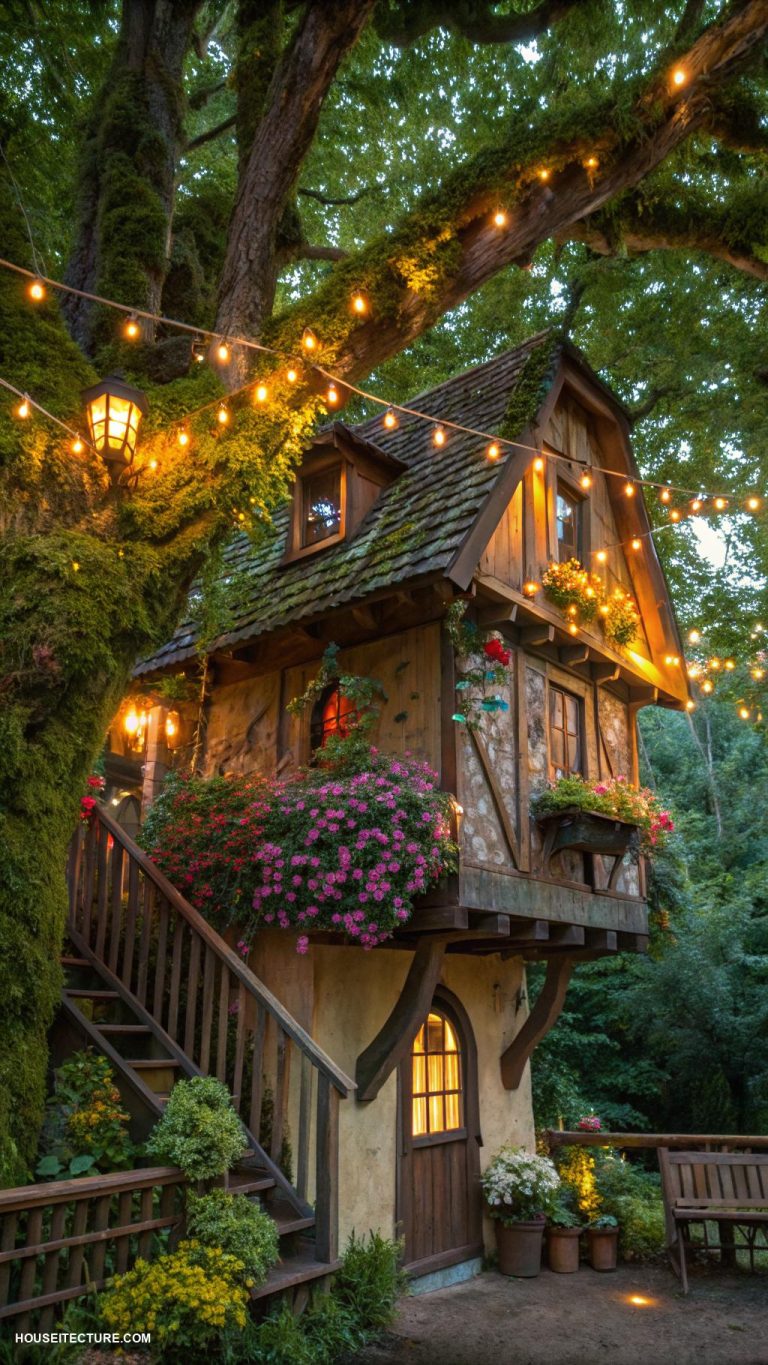
Create curved structures that mimic natural forms, celebrating the fluidity and beauty found in nature. These designs often feature sweeping lines and organic shapes that blend seamlessly with the surrounding landscape, offering a harmonious connection between the home and its environment. Emphasizing sustainability, these architectural trends not only enhance aesthetic appeal but also foster a sense of tranquility and balance in outdoor living spaces.
Incorporate Green Roofs for Biodiversity.
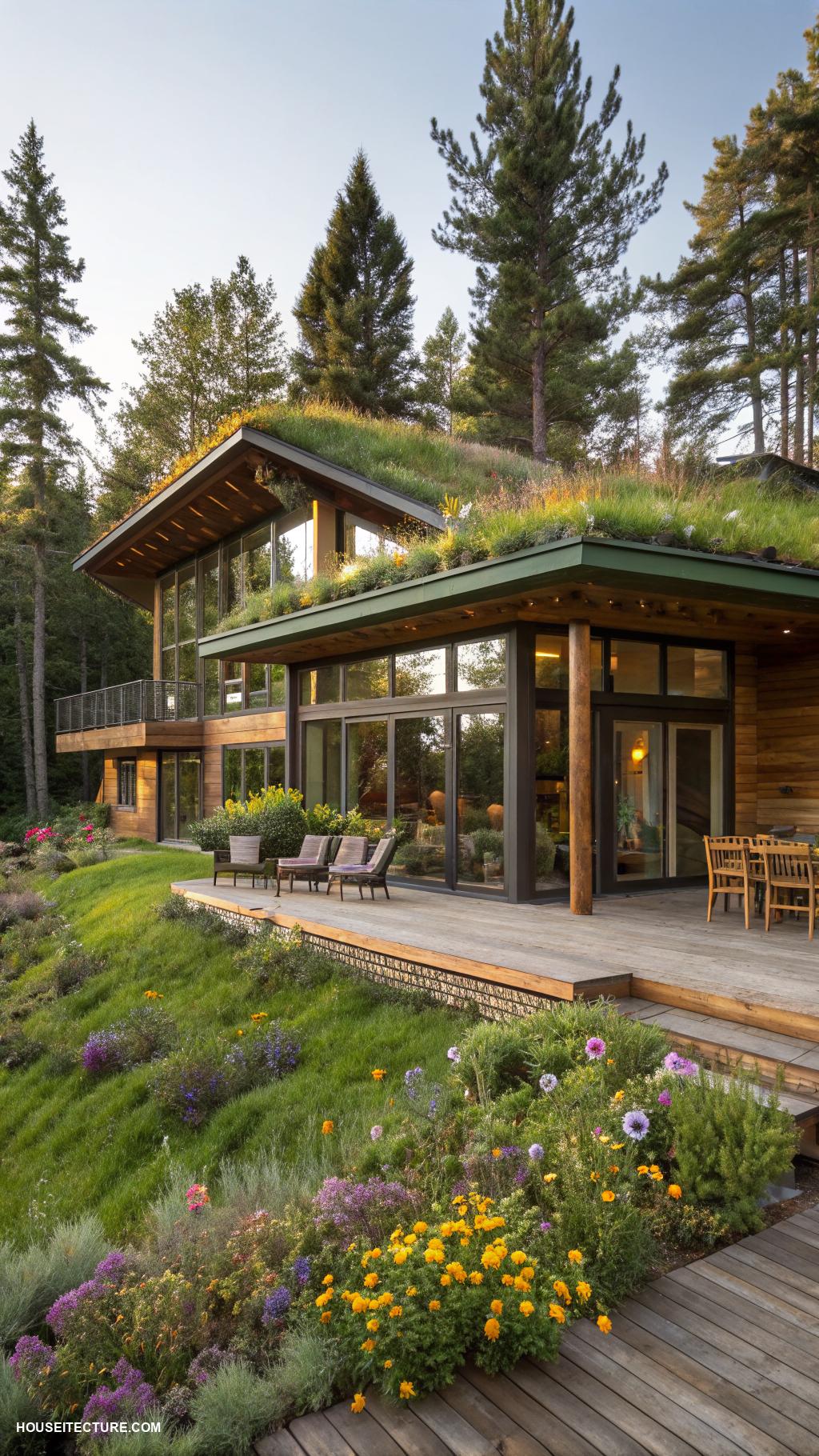
Incorporating green roofs into home design not only enhances aesthetic appeal but also fosters biodiversity by providing vital habitats for various species. These lush, living spaces can support a wide range of plants, insects, and birds, creating a thriving ecosystem right atop your home. Embracing green roofs is an organic architecture idea that promotes environmental sustainability while offering homeowners a unique and serene outdoor retreat.
Design with Natural Light for Energy Efficiency.
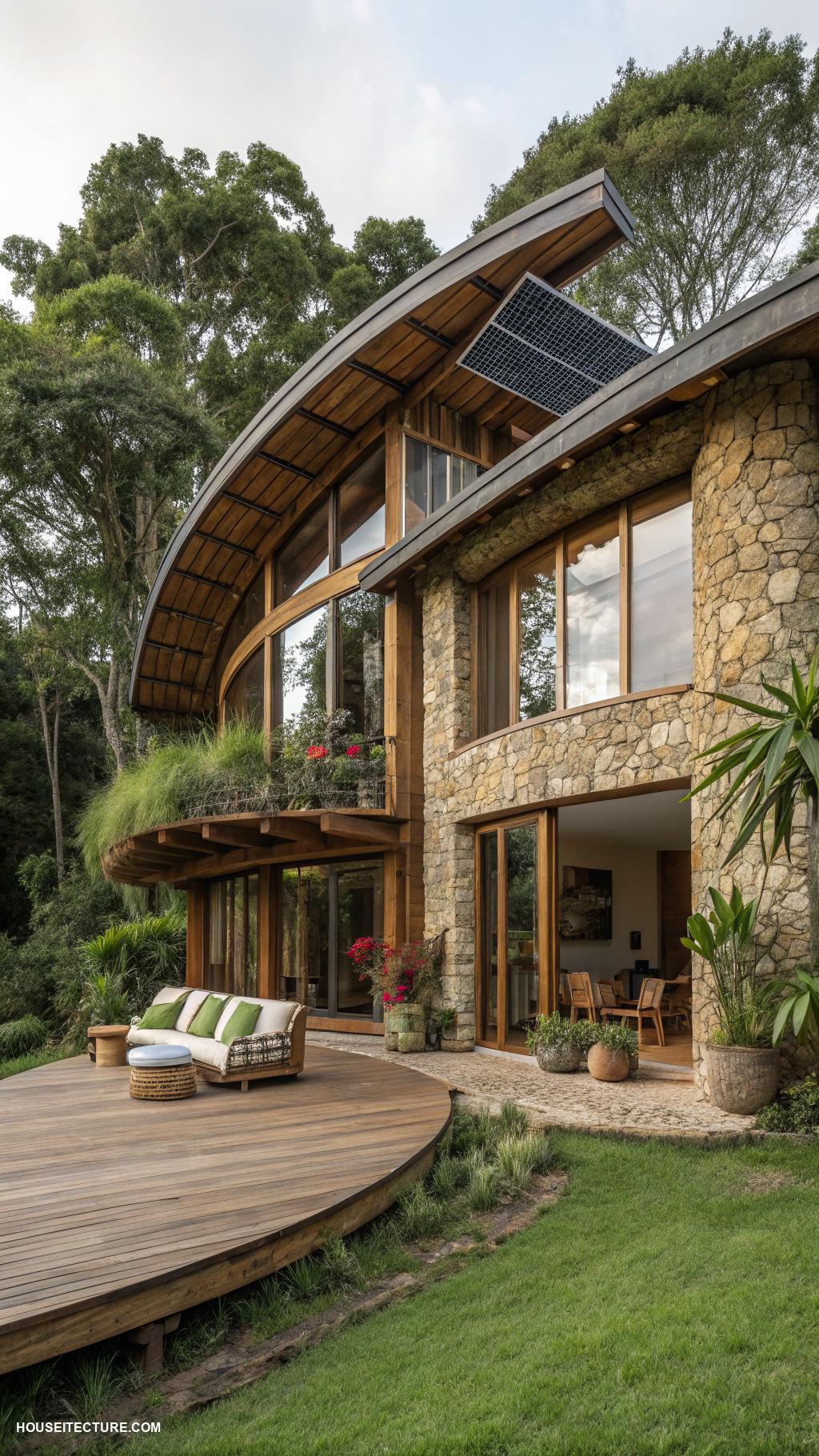
Designing with natural light enhances energy efficiency by reducing reliance on artificial lighting, which not only lowers electricity bills but also creates a warm and inviting atmosphere. Strategic placement of windows, skylights, and overhangs allows sunlight to penetrate deep into living spaces, optimizing daylight use throughout the day. Incorporating reflective surfaces and light-colored materials further maximizes the effectiveness of natural light, making homes feel more expansive and harmonious with their surroundings.
Utilize Bio-Based Materials for Sustainability.
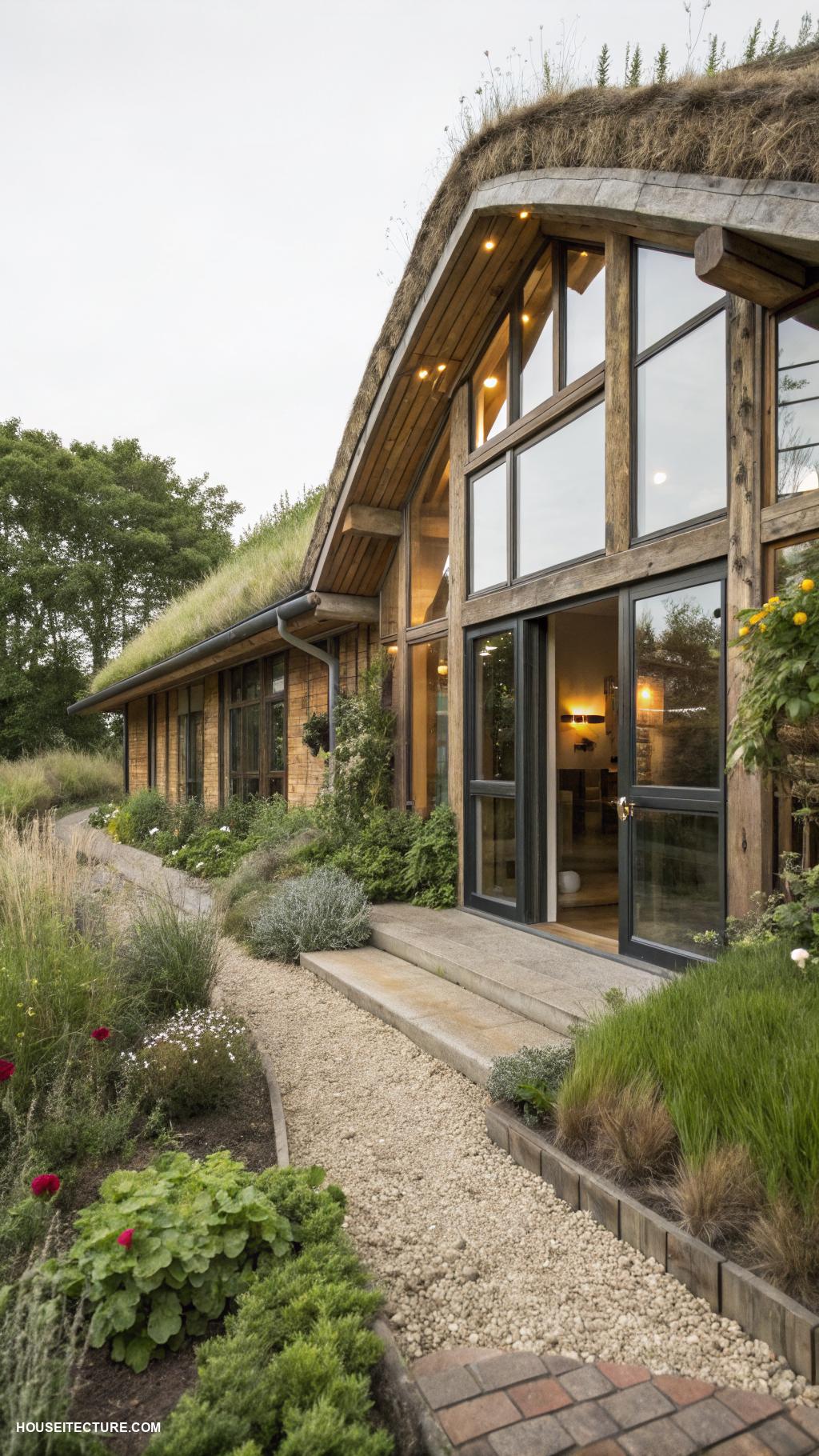
Incorporating bio-based materials into architectural designs not only reduces carbon footprints but also enhances the aesthetic appeal of homes with their natural textures and finishes. Materials such as bamboo, cork, and reclaimed wood create sustainable exteriors that harmonize with the environment while promoting healthier living spaces. Embracing these organic choices allows homeowners to express their commitment to sustainability while showcasing innovative and timeless architecture.
Implement Open Floor Plans for Flow Enhancement.
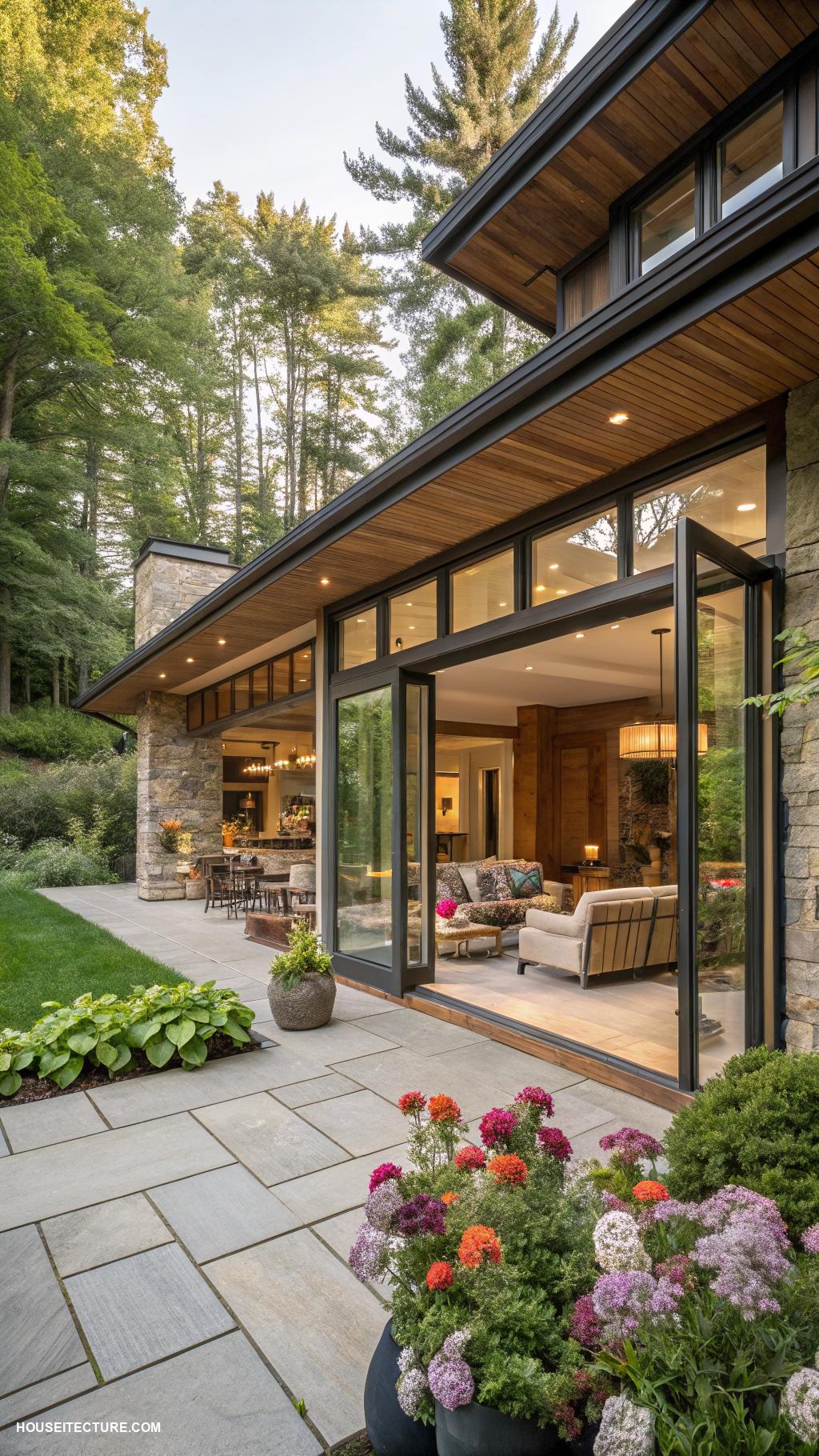
Implementing open floor plans enhances the flow of natural light and creates a seamless connection between indoor and outdoor spaces, making homes feel more inviting. This design choice not only fosters a sense of community within the household but also allows for flexible arrangements that adapt to the needs of the occupants. By prioritizing openness and accessibility, these layouts promote a harmonious living environment that aligns with the principles of organic architecture.
Blend Indoor-Outdoor Spaces Seamlessly.
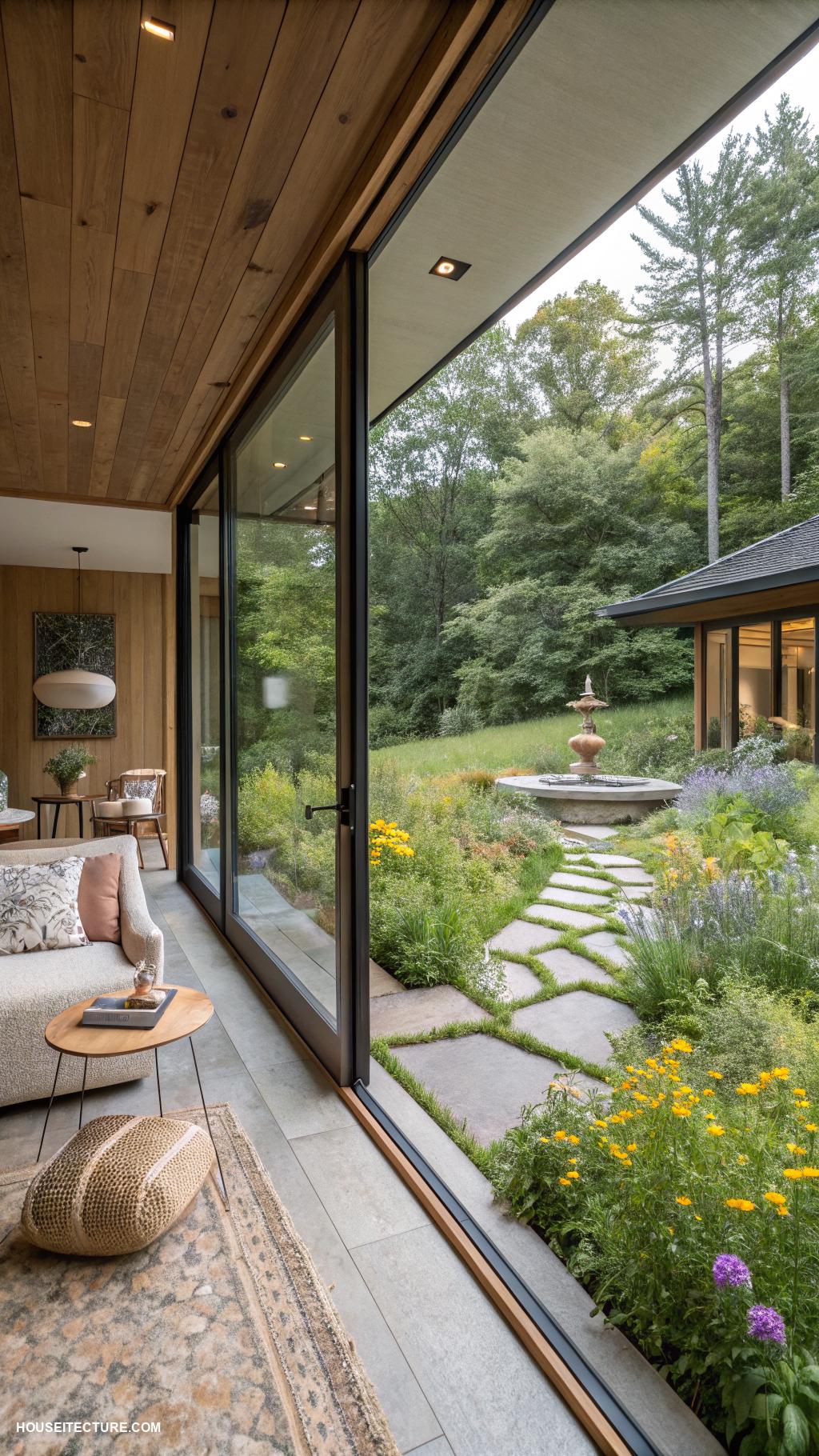
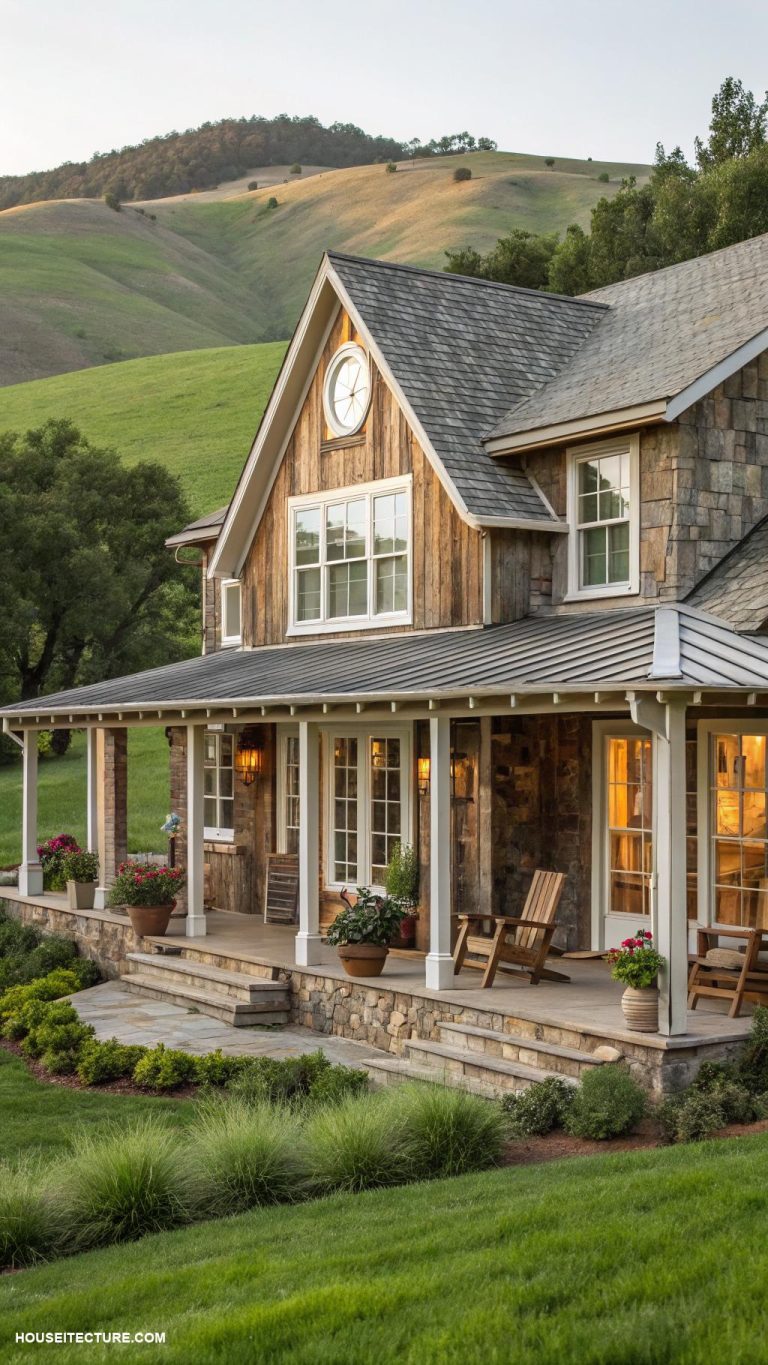
Blend indoor-outdoor spaces seamlessly by incorporating large, expansive windows and sliding glass doors that invite natural light and create a cohesive flow between the interior and surrounding landscape. Utilize natural materials like wood and stone to establish a harmonious connection with the outdoors, allowing your home’s design to reflect the beauty of nature. Lastly, consider adding comfortable outdoor furniture and vibrant greenery, creating inviting and functional areas that extend your living space beyond traditional boundaries.
Use Earth Tones to Harmonize with Surroundings.
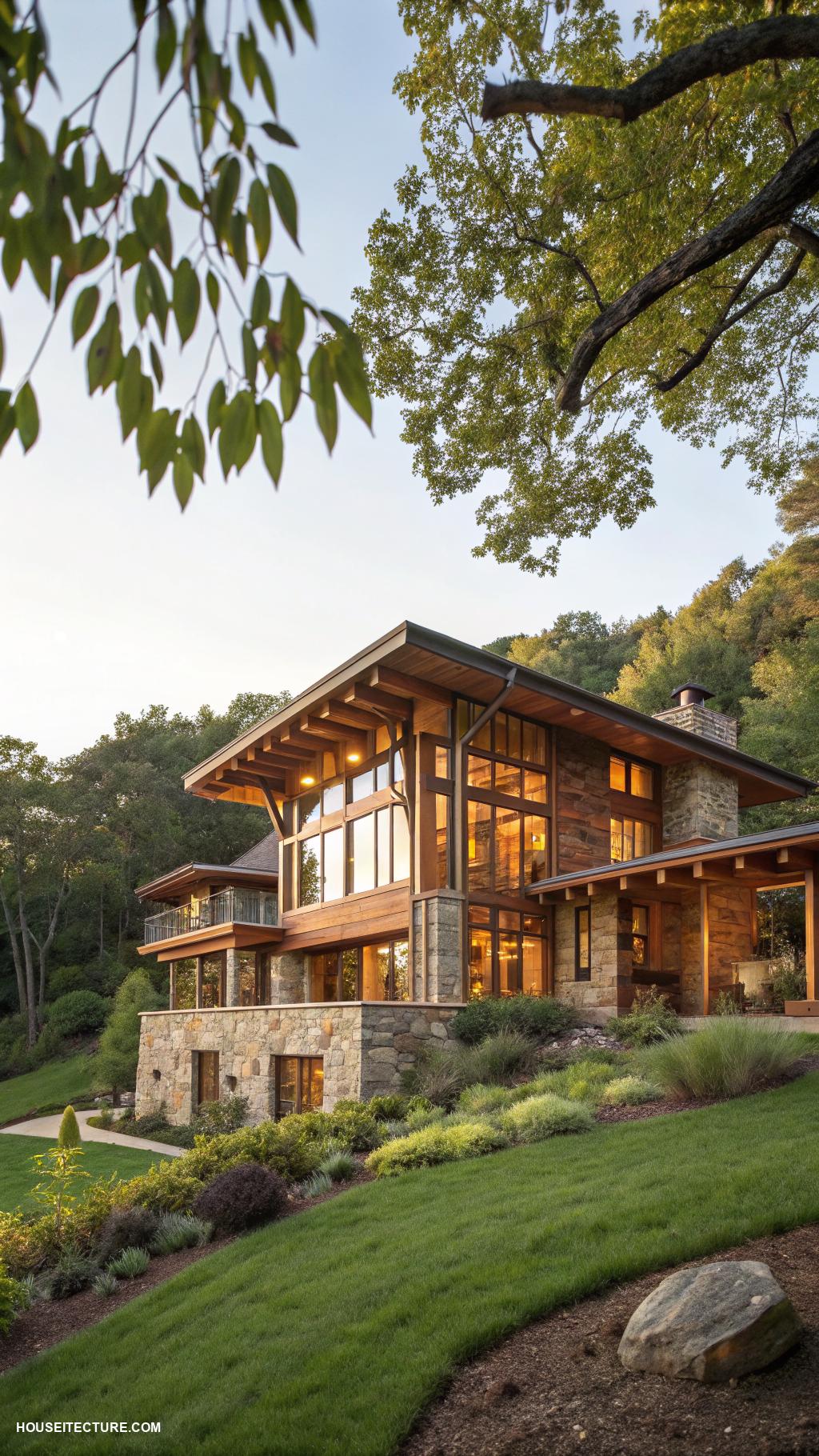
Earth tones, such as warm browns, soft greens, and muted ochres, create a seamless connection between a home and its natural surroundings, enhancing the overall aesthetic appeal of organic architecture. By incorporating these natural hues into exteriors, homeowners can foster a calming environment that reflects the beauty of the landscape while promoting sustainability. Utilizing materials like wood, stone, and clay in these shades not only enriches the architectural design but also honors the organic elements of nature, creating a harmonious living space.
Include Water Features for Tranquility and Cooling.
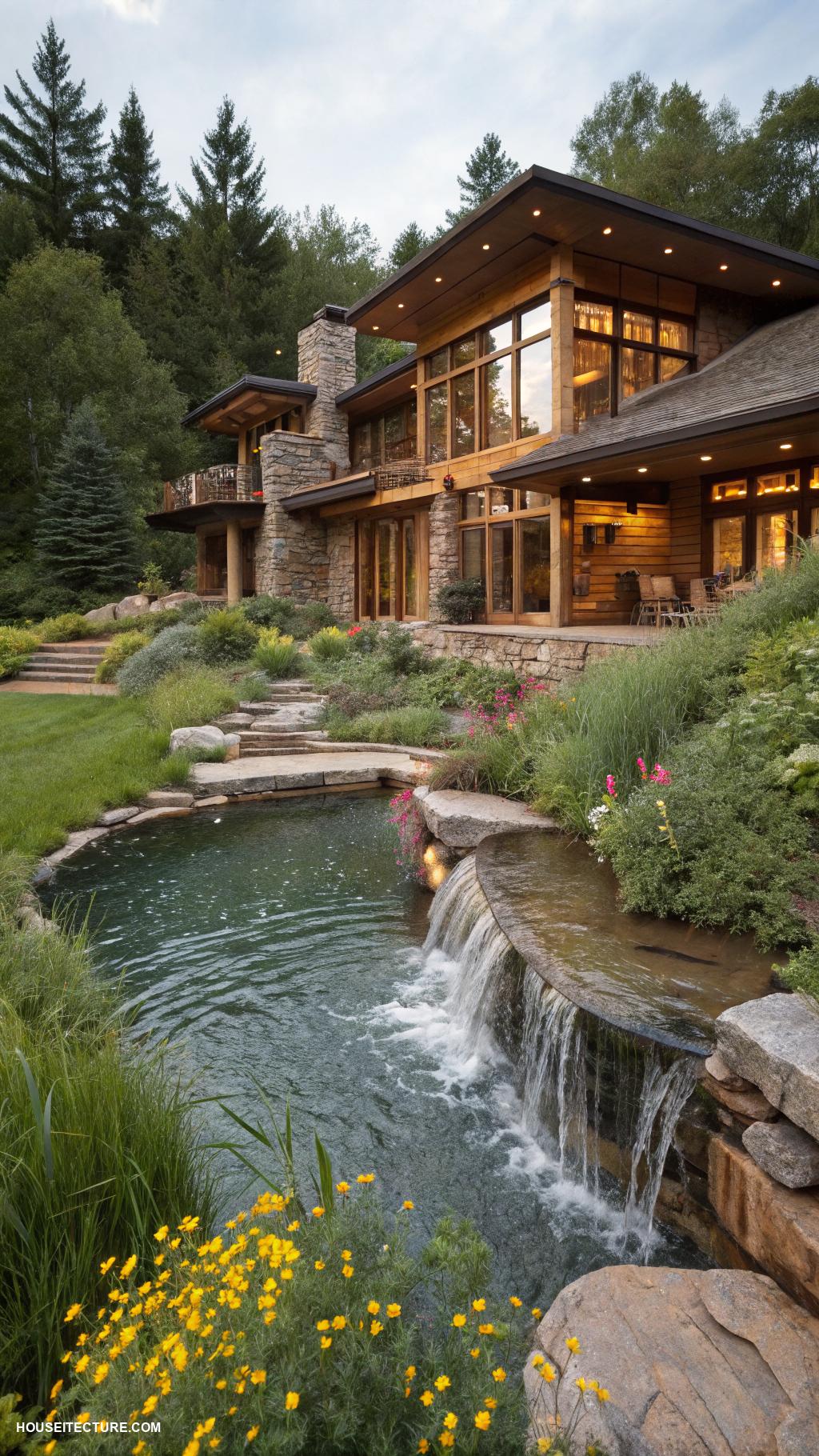
Incorporating water features into organic architecture not only enhances the aesthetic appeal of a home but also promotes a sense of tranquility and relaxation. Whether it’s a serene pond, a gentle waterfall, or a soothing fountain, the sound of flowing water can create a peaceful ambiance that invites serenity into outdoor spaces. Additionally, these beautiful elements can help cool the surrounding area, making outdoor living areas more enjoyable during warmer months.